


Begin each fall hunt with a freshly charged detector. Limit needless power drain on the display and wireless audio. Don’t expose rechargeable batteries to the cold. For longer sessions, carry a compatible spare battery or approved charging solution. If your detector has a removable battery pack, a fully charged spare is one of the easiest ways to extend your hunt.
Fall is one of the best times of the year to go metal detecting. As the summer heat starts to break, the long days get cooler and many hunters are ready to spend more time in the field.
There is one problem: the hunting window is getting shorter.
As September progresses, the evenings come earlier and the mornings get colder. Battery management is therefore all the more important, particularly if you are planning a hunt that could last several hours.
Runtime is affected by display brightness, wireless headphones, high sensitivity settings and other powered accessories. Cold temperatures can also degrade the practical performance of rechargeable lithium batteries.
Why Battery Life Matters More in September
In summer, losing some battery capacity may simply mean recharging your detector when you get home. The same kind of loss can occur in the fall, when there’s already limited daylight.
A detector that normally has a long session may behave differently on a cold morning. Running time will vary depending upon battery temperature, battery age and the severity of use on the detector.
3 Battery-Saving Changes That Actually Matter
Lower the Backlight
Set the display brightness at the lowest level comfortable for the current conditions. If the screen is easy to read, you don’t need it at maximum brightness.
Manage Wireless Audio
Wireless headphones and audio modules require their own power. Charge them before you leave, and consider a compatible wired backup for particularly long hunts.
Use Sensible Settings
You don’t always need maximum sensitivity. Use stable settings suitable for the ground and don't hammer the detector harder than is necessary all the time.
Cold Weather and Rechargeable Lithium Batteries
Rechargeable lithium batteries are common in modern metal detectors . They offer high energy density without excess weight . But cold weather can affect their performance.
If you’re going out before the sun comes up on a cold morning, don’t leave your backup rechargeable battery in the cold the whole time you’re out hunting. Keep it protected until you need it.
Battery Age Matters Too
Rechargeable batteries don’t stay fully charged forever. If your detector used to easily finish a long hunt and now runs low on battery much sooner, battery age might be part of the problem.
Carry a Spare Battery for Longer Fall Hunts
For detectors with removable rechargeable battery packs, a spare battery is often the easiest answer to an unexpected runtime problem.
One example is the Minelab 5100 mAh Li-ion Rechargeable Battery Pack , which is designed for compatible Equinox 700, Equinox 900 and X-Terra Pro detectors.
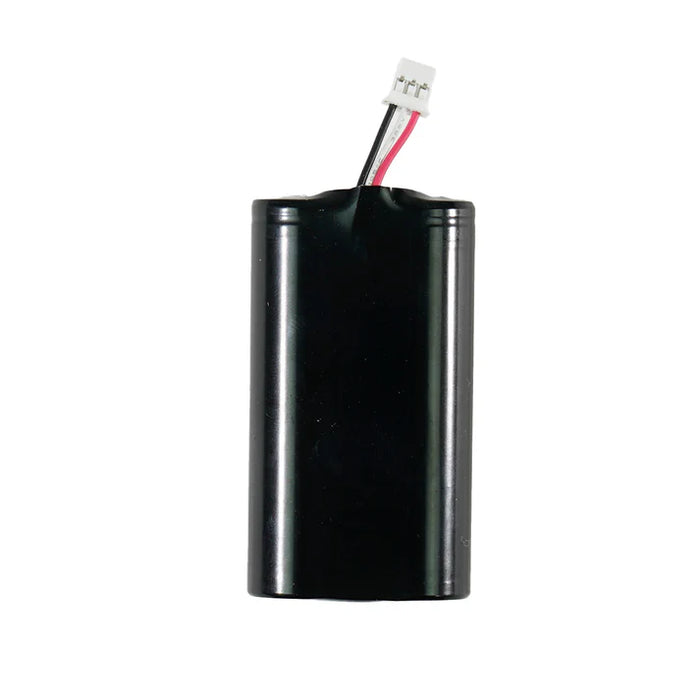
5100 mAh Rechargeable Battery Pack
A rechargeable spare battery designed for compatible Equinox 700, Equinox 900 and X-Terra Pro metal detectors.
View ProductPopular Detectors and Their Battery Considerations
Battery planning depends heavily on the detector you're using. Some models have internal rechargeable batteries, while others use removable packs or replaceable cells.
| Detector | Power Setup | Fall Consideration |
|---|---|---|
| Garrett Vortex | Rechargeable lithium-ion battery | Start fully charged and plan ahead for longer sessions. |
| Minelab MANTICORE | Internal rechargeable lithium-ion battery | Charge before long hunts and remember that wireless audio adds another powered component. |
| Equinox 700 / 900 | Rechargeable battery pack | A compatible spare 5100mAh battery can provide a useful backup. |
| XP DEUS II | Wireless rechargeable system | Remember to charge the detector's wireless components, not just one device. |
| Nokta Detectors | Model-specific rechargeable systems | Use the correct battery and charging accessories for your exact model. |
| AA-Battery Detectors | Replaceable AA cells | Carry a complete fresh backup set. |
Detectors Worth Considering for Fall Hunting
Battery life is only one factor when choosing a detector for fall. Weight, waterproofing, search technology, audio options and the type of sites you hunt should also influence the decision.

MANTICORE
Multi-IQ+ metal detector with an internal rechargeable lithium-ion battery and wireless low-latency audio.
View MANTICORE
DEUS II
Fully wireless FMF detector with rechargeable components and wireless audio.
View DEUS II
Legend 2
Lightweight waterproof simultaneous multi-frequency detector with rechargeable power and compatible accessories.
View Legend 2
Vortex Series
Garrett's Vortex platform uses rechargeable lithium-ion power, making pre-hunt charging important for longer sessions.
View VortexCan You Charge a Metal Detector From a Power Bank?
Sometimes, but never assume that any USB power bank can safely charge every metal detector.
Charging requirements vary by manufacturer and even model. The connector type, the voltage, the current requirements and the charging electronics are all important.
If the manufacturer supports the charging method, a power bank is best used as an emergency or travel solution. It is not a replacement for starting your hunt with a fully charged battery.
Don't Forget the Audio Battery
Wireless audio allows for more comfortable detection, but wireless headphones and audio modules have their own batteries.
Before a long hunt, charge every powered component you intend to use:
- Metal detector
- Wireless search coil, where applicable
- Wireless headphones
- Audio transmitter or module
- Pinpointer
- Phone or GPS device
Carry Wired Headphones as a Backup
Wireless headphones are convenient but a compatible wired alternative is a useful backup when battery life becomes an issue.
Each detector has different types of connections so always check your specific model before you buy headphones or adapters.
Keep your backup headphones in the same pouch as your battery and charging accouterments. You don’t want to find out they are sitting at home when your wireless headphones die.
AA Batteries Still Have a Place in Your Gear Bag
Some detectors and external battery packs use replaceable AA batteries . They are still a useful backup as they are quickly replaceable in the field.
- Use the battery type recommended by the manufacturer.
- Carry a complete spare set.
- Keep spare batteries dry.
- Avoid mixing old and new cells.
- Store spare batteries in a protected container.
Charging Accessories Worth Carrying
Your detector determines which charging accessory is best. -Avoid using a generic USB accessory and use equipment made for your particular detector family.

2-Way USB Car Charger
A two-port USB car charger for compatible Minelab detectors including Equinox, MANTICORE and X-Terra Pro models.
View Product
Magnetic USB Charging Cable
A spare or replacement magnetic charging cable for compatible Equinox, MANTICORE and X-Terra Pro metal detectors.
View Product
4-Way USB Charger
A four-port USB charging solution with international plug adapters for compatible Minelab equipment and accessories.
View Product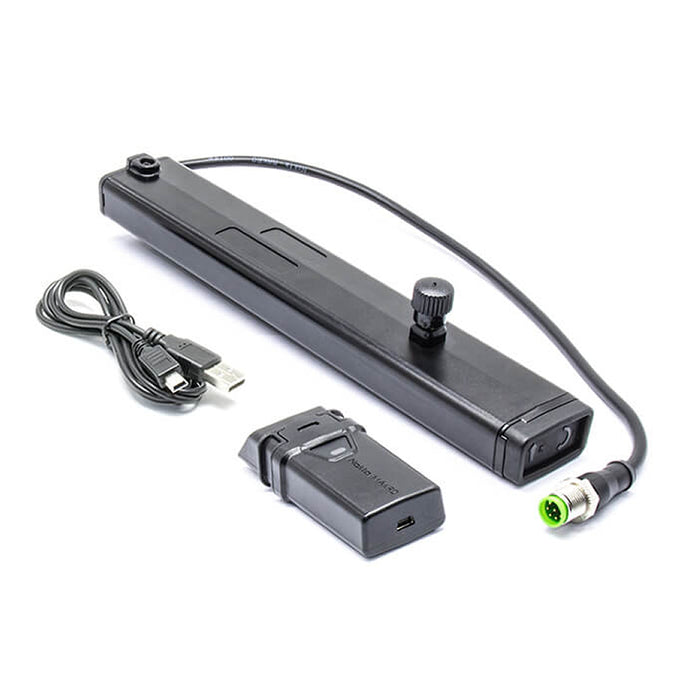
5500mAh Waterproof Battery + Charger
A 3.7V 5500mAh waterproof Li-Po battery and charger designed for compatible Nokta detectors.
View ProductHow to Store a Detector Battery Between Hunts?
Battery storage is worth thinking about if you're not going detecting for a few weeks.
Do not leave rechargeable batteries in a totally discharged state for a long time, unless the manufacturer specifically recommends this practice. The long-term storage instructions may also differ between battery systems.
Store your individual detector or battery at the manufacturer's recommended storage charge and temperature.
What to Pack for a Full Fall Hunt
Fall Battery Checklist
Don't Let the Battery Decide When Your Hunt Ends
Fall detecting gives you some of the best conditions of the year but daylight available is limited. Don't abandon a productive site prematurely due to a low battery.
Charge up before you leave, learn how your detector uses power, keep batteries warm from the cold and take a compatible backup when the hunt is too important to cut short.
For detectors with removable battery packs, the easiest solution is to have a spare battery. Internal-battery detectors become more dependent on the right charging cable and realistic runtime expectations.
Frequently Asked Questions
Does cold weather reduce metal detector battery life?
Cold temperatures can reduce the practical performance and available capacity of rechargeable lithium batteries. The effect depends on temperature, battery condition, battery age and operating conditions.
Should I carry a spare metal detector battery in fall?
If your detector uses a removable rechargeable battery, carrying a fully charged spare is one of the easiest ways to protect a long hunt from an unexpected low-battery shutdown.
Can I charge my metal detector with a power bank?
Only when the manufacturer supports that charging method and the power source meets the detector's requirements. A USB connector alone does not guarantee compatibility.
Does wireless audio use more battery?
Wireless headphones and audio modules have their own power requirements, so they add another battery that needs to be charged and monitored.
How can I make my metal detector battery last longer?
Lower unnecessary display brightness, manage wireless accessories, use sensible sensitivity settings, protect batteries from extreme cold and start every hunt with a full charge.
Is it better to store a lithium battery fully charged?
Long-term storage recommendations vary by battery and manufacturer. Follow the storage instructions supplied with your specific detector or battery.
Why does my detector battery drain faster than it used to?
Battery age, cold temperatures, display brightness, wireless accessories and operating settings can all affect runtime. If the decrease is significant and persistent, the battery may need inspection or replacement.
Get Ready for Your Next Fall Hunt
Don't wait for the low-battery warning to appear in the middle of a good site. Charge your detector, check your accessories and pack the right backup before you head out.
Shop Battery & Power
Leave a comment