
Expert Support
(844) 344 - 4465
(844) 344-4465

The best beginner metal detector really depends on where you are going to search. If you want a metal detector for parks, gardens and inland fields on a budget then the Garrett ACE 300 is a no-brainer. If you want a fully waterproof all-terrain machine then go for the Garrett AT Pro. For a lightweight waterproof option, go for the Nokta Simplex Ultra. Wet Saltwater Beaches: Minelab X-TERRA ELITE vs. Nokta Triple Score Pro Pack.
Choose according to the places you will actually search, not the longest feature list. Browse all beginner metal detectors at Detector Warehouse.
Picking your first metal detector should be exciting, not confusing. But when you start looking at different models, you will quickly see that each manufacturer offers different technologies, search modes, operating frequencies and features. Some detectors are made for easy coin hunting, others are made for beaches, underwater detecting and difficult ground conditions.
For most beginners the problem isn’t finding a metal detector. It’s about finding one that offers the right balance of simplicity, performance, durability and price.
You don’t need professional machines to enjoy metal detecting. A good beginner detector should help you learn the target signals, be comfortable to use and help you find common objects without having to master dozens of advanced settings.
In this guide, you'll find all that you need for making that decision. In 2026 you'll learn what makes a good entry level detector, what features to pay for, how much to spend and what metal detectors are worth considering.
Whether you're planning to search local parks, explore beaches, find old coins, recover lost jewelry, or eventually move into relic hunting, you'll have a clearer idea of what to buy and why.

This guide is designed for four types of buyers.
The casual hobbyist: You want a metal detector for weekend activities, family outings, and occasional searches around parks, gardens, and beaches. You need something reliable and easy to operate without paying for advanced features you may never use.
The committed beginner: You've decided that metal detecting is more than a temporary interest. You want a capable first machine with useful features that will continue to serve you as your skills improve.
The beach and underwater hunter: You plan to search wet sand, shorelines, rivers, lakes, or shallow water. Waterproofing and performance in mineralized ground are important considerations.
The gift buyer: You're purchasing a metal detector for someone who is new to the hobby. You want a dependable model that is straightforward to understand and suitable for general use.
You can read the guide from beginning to end or jump directly to the information you need.
The first two sections explain what makes a detector suitable for beginners and which features deserve your attention. The budget section helps narrow down your spending, while the product comparison and use-case recommendations help you choose a specific machine.
The final sections cover your first weekend of detecting, common mistakes, essential accessories, and frequently asked questions.
One important point before you start: no detector is perfect for every environment. A machine that works well in a dry park may be less suitable for wet saltwater sand. Choosing according to where you intend to search is more important than buying the detector with the longest feature list.
A good beginner metal detector should make learning easier rather than introduce unnecessary complications.
Most of your time will be spent learning how to sweep the search coil, recognize audio signals, understand Target ID and recover objects when you're starting out. You don't need a lot of fancy controls to achieve these things.
There are five important characteristics worth considering before making a purchase.
One of the main advantages of a beginner friendly metal detector is that you can start searching without having to adjust a ton of settings. Preset search modes offer ready-made configurations for different detecting environments or target preferences.
Depending on the detector, you may find modes such as:
Each mode uses a particular combination of detector settings to provide a useful starting point.
For example, a Park mode might be appropriate for searching public recreational areas where modern rubbish is common. A Field mode might offer a separate setup for open ground and relic hunting.
The benefit is simple: switch the detector on, select the right mode and start learning without having to configure every setting by hand.
The Garrett ACE 300 and Garrett AT Pro are good examples of detectors that have simple modes of operation. The Nokta Simplex Ultra also has an easy to use operating interface, but with more advanced adjustment options.
Instead of always changing sensitivity, discrimination and ground balance, use the manufacturer’s recommended settings on your first few outings.
You can explore those controls as you become more familiar with your machine.
Target ID is one of the most useful features for beginners.
It gives you a numeric clue as to the likely conductivity of a target object, helping you decide if a signal is worth investigating further. Target ID scales vary from manufacturer to manufacturer. Some go from 0 to 99, others use negative and positive numbers to differentiate ferrous and non ferrous targets.
Generally, a detector may provide different readings for:
Target ID can help reduce unnecessary digging, particularly in areas containing considerable metal rubbish.
But it is not a precise metal identification system. Sometimes a gold ring will read the same as an aluminum pull tab and other objects. The displayed number can also be affected by target depth, object size, orientation, mineralized soil and nearby metal.
For example, a deeply buried coin may produce a less consistent Target ID than the same coin placed near the surface. The best way is to employ the numeric readout along with the audio response of the detector, and look for signals that repeat in a consistent way. A detector that has a distinct Target ID is a great learning tool for beginners and helps them learn how different objects react.
Waterproofing is an important buying consideration, even when you don't plan to go underwater.
During a typical detecting session you will encounter wet grass, rain, damp soil, shallow streams and beach conditions. At the very least, look for a detector with a waterproof search coil.
However, there is a major difference between a waterproof coil and a fully waterproof metal detector.
Waterproof search coil only: The coil can be exposed to water within its specified rating, but the control box must remain dry. This design is common on land-based detectors.
Fully waterproof detector: The coil, control box, and other relevant components are designed to operate underwater within the manufacturer's specified depth limit.
The Garrett ACE 300, for instance, has a search coil that is waterproof, but the control box is not meant to be submerged. The Nokta Simplex Ultra, Garrett AT Pro and Minelab X-TERRA Pro, by comparison, are fully submersible to their respective depth limits.
If you plan to search beaches, tidal areas, rivers, or lakes, choose a detector with an appropriate full-body waterproof rating. See our underwater metal detectors and beach metal detectors.
Do not assume that a waterproof coil makes the complete detector suitable for underwater use. Also, check the manufacturer’s instructions for underwater headphones, charging connections, connectors and maintenance after use.
Metal detecting involves repeatedly moving a search coil from side to side while walking across an area. A detector that feels sluggish or poorly balanced can lead to arm and shoulder fatigue during longer sessions.
Most of the easy-to-use detectors weigh between 2.5 and 3.5 pounds, but there are differences between models.
Some examples include:
Weight alone doesn't determine comfort. The way a detector distributes its weight between the handle, shaft, and search coil also matters.
When comparing detectors, look for:
The detector should feel natural to hold, with your arm slightly bent and your shoulder relaxed.
If possible, try holding or swinging a similar model before you buy. A machine that feels comfortable for five minutes may not feel the same way after two hours of use.
Some buyers prefer to purchase the cheapest detector available simply to see whether they enjoy metal detecting.
That might make sense for very occasional recreational use, especially when buying for a child. But serious adults who want to learn the hobby should think about what happens after a few outings. A very basic detector might lack useful Target ID, adjustable discrimination, ground balancing or comfortable construction.
You may enjoy your first session but then get frustrated when the machine doesn't give a lot of information about underground targets, or has problems in different ground conditions.
Buying a reputable entry-level machine can help avoid unnecessary upgrades.
Consider what you might want to do after developing some experience:
A machine like the Minelab X-TERRA Pro gives you more control by allowing you to select the frequency. Both the Nokta Triple Score Pro Pack and Minelab X-TERRA ELITE offer simultaneous multi-frequency technology.
You don't have to master every feature immediately.
The objective is to buy a detector that matches your current experience while providing room to improve without immediately needing another machine.

Metal detector manufacturers advertise numerous features, but not every specification deserves equal attention.
Some features make it easier to detect right from the get go. Others get more useful once you learn your detector and spend time in different environments.
The following distinctions can help you spend your budget more effectively.
Preset modes are particularly useful during your first few detecting sessions.
They also save you some manual configuration and provide a good starting point for different environments. A beginner that mostly searches parks doesn't need to know all the discrimination settings to begin. Pick a machine where you can start with a suitable mode and gradually learn the other controls.
Although Target ID was covered earlier, it deserves particular attention when comparing entry-level models. You get a number readout that lets you learn the behavior of different materials and figure out which signals to explore. The Target ID scales differ for different brands. Don't assume that a reading of 70 on one detector means exactly the same thing on another.
Iron Audio is a feature found on certain Garrett detectors, including the AT Pro. This allows the detectorist to hear information about iron targets that may otherwise be discriminated against.
This can be useful in places where iron nails, steel fragments and other unwanted objects are mixed with potentially interesting targets. Other brands use different systems for identifying iron, iron volume or iron discrimination. These features can help experienced users make a better decision about when to investigate mixed signals.
But beginners should not think that all iron signals are useless. Sometimes valuable targets can produce confusing responses when located near iron objects.
Discrimination lets you filter out some classes of metal targets. Notch discrimination provides greater selectivity to control specific Target ID ranges. You might want to reject a particular range for common rubbish but still accept other targets. That helps cut down on unnecessary digging in busy parks and heavily searched spots. But aggressive discrimination can also cause you to reject desirable objects. For example, some gold jewelry can give readings similar to everyday aluminum trash.
Get to know how your detector responds before you block out large sections of the Target ID scale. Our guide to setting up sensitivity, discrimination, and ground balance covers this step by step.
Headphones help you hear detector signals better, especially when you are in a noisy outdoor environment. The wireless headphones have the added convenience of not having the cable from the headphones to the detector. This can make it more comfortable to move the coil and less likely that a cable will be caught during a search. Wireless audio compatibility varies from model to model, however. Some have built-in Bluetooth or proprietary low-latency wireless, while others need compatible wired headphones. If you buy wireless headphones separately, check the manufacturer's compatibility requirements.
Ground balance helps a detector to compensate for the mineralization that is found naturally in soil. Some earth conditions can create undesired signals that interfere with stable detection. By balancing the ground, the detector can better adjust its sensitivity to the soil, and thus more reliably detect metallic targets that are underground. For a deeper look, read ground balance explained.
Common ground balance systems include:
Automatic ground balance is convenient for beginners because the detector does much of the adjusting for you. Manual Ground Balance gives you more control when you start working in different soil conditions. Ground tracking can continuously adjust the detector as mineralization changes over an area. But they can be valuable when looking in mineralized fields, beaches, and difficult ground, and not every beginner needs advanced ground controls.
One of the primary differences between beginner metal detectors is the operating frequency. A single frequency detector uses a single frequency of operation at a time. The multi-frequency detector simultaneously works with multiple frequencies. Either technology can be useful. Depends where you are going to look.
Single-frequency detectors are common in entry-level and mid-range metal detecting.
They use one fixed or selected operating frequency.
Examples include:
These detectors work well in many common detection environments such as parks, gardens, dry beaches and fields inland. They are often just controlled so they are good for people who are learning their way around.
Some machines permit a choice of several separate frequencies. PRO-SWITCH technology in the Minelab X-TERRA Pro selects one of four single frequencies: 5, 8, 10, and 15 kHz. The frequency chosen depends on the search mode and the detection conditions required. This provides some additional flexibility without running multiple frequencies simultaneously.
Multi-frequency detectors operate on multiple frequencies at the same time. Examples are Minelab’s Multi-IQ and Nokta’s simultaneous multi-frequency technology. Discover more about multi-frequency technology in metal detectors. Instead of selecting one frequency, the detector processes information from several frequencies together. This can provide benefits when detecting in difficult ground conditions, especially wet salt water sand and mineralized environments.
Examples include:
If you mainly mean to detect in parks, gardens and inland fields a good single frequency detector can be sufficient. If you want more flexibility, you might want to look at selectable-frequency technology. If you intend to do a lot of searching on wet saltwater beaches, or if you need a detector that can handle a wider range of ground conditions, the extra investment in simultaneous multi-frequency technology may be worth the extra cost. Compare & shop multi-frequency metal detectors.
You do not need multi-frequency technology simply because you're a beginner. Buy it because the environments you intend to search make it useful.
Some advanced features can be valuable to experienced detectorists, but they are rarely essential for someone learning the basics.
Pulse induction (PI) detectors are built for particular detecting conditions such as certain highly mineralized environments and saltwater use. They work differently than the regular VLF detectors and can be useful for certain types of hunting. However, they tend to be more specialized and may not discriminate as well between different types of metal targets. For most novices a simple VLF or a good simultaneous multi-frequency detector will suffice.
Experienced users can use GPS to record the locations they are detecting, and to manage large search areas. But you don't need GPS to learn how to identify targets or run a beginner detector.You can keep a simple record of the places you search, on your phone or in a notebook, if you want to.
For a novice it is usually more important to have usually clear target identification, easy to understand menus and useful audio information. A well designed, good monochrome screen can give you all the functions you need.
Some detectors give a rough indication of depth of target. This can be a useful general reference, but should not be taken as an exact measurement. Actual detection depth will vary depending on target size, metal composition, soil conditions, search coil and detector settings. You cannot use a depth indicator to tell you the exact depth of any underground object.
Custom profiles enable users to save their preferred detector configuration. They can come in handy once you have established a preferred setup for certain locations. However, for beginners it is often better to learn the preset modes that the manufacturer has programmed first. Once you understand how sensitivity, ground balance, discrimination, and audio adjustments affect detector behavior, you can begin to explore custom profiles.
The goal is not to avoid advanced features forever. It's to understand which features are worth paying for now and which can wait.
Choosing your first detector is a big part of your budget. Not spending enough can restrict your options but buying a machine with advanced technology you don’t understand may not give you meaningful benefits. There is no one price that every beginner has to pay. The right investment depends on how often you'll be detecting, your preferred locations and how serious you intend to get with the hobby. For a wider view on pricing, read how much a metal detector costs.
Here are four useful spending categories for 2026.
This category is suitable for casual users and beginners who want a reliable introduction to metal detecting.
Look for:
The Garrett ACE 300 is a useful example in this category.
It offers straightforward operation, a numerical Target ID system, adjustable discrimination, and a waterproof search coil.
It is suitable for searching parks, gardens, and inland fields.
The main compromise is its single-frequency technology and non-submersible control box. It is not designed for underwater detecting or challenging wet saltwater beach conditions.
Rather than buying an extremely inexpensive detector with few useful controls, prioritize a model that can help you understand signals and develop proper detecting habits.
This category provides a strong balance of technology, versatility, and price.
Depending on the detector, you may find:
The Garrett AT Pro, Nokta Simplex Ultra, Minelab X-TERRA Pro, Minelab X-TERRA ELITE, and Nokta Triple Score Pro Pack are worth comparing in this category, subject to current product pricing and promotional offers.
Each model offers a different combination of features.
The AT Pro is suitable for buyers who want a straightforward all-terrain detector. The Simplex Ultra provides fully waterproof construction with simple operation. The X-TERRA Pro offers selectable single frequencies, while the X-TERRA ELITE and Triple Score provide simultaneous multi-frequency technology.
This is a sensible range to explore if you expect to use your detector regularly.
If you're confident that metal detecting will become a long-term hobby, spending more can provide additional flexibility and advanced capabilities.
At this level, look for equipment that genuinely expands what you can do.
Useful improvements may include:
The Nokta Legend Next Generation Pro Pack is one option worth exploring.
It offers simultaneous multi-frequency technology, additional frequency options, multiple search modes, and two search coils in its Pro Pack configuration.
The smaller coil can be useful in areas containing closely spaced metal objects, while the larger coil offers more ground coverage.
An advanced detector is not automatically the right choice for every beginner.
Before spending more, consider whether you will actually use its additional features or whether a simpler machine would provide everything you need.
Metal detectors in this category are generally designed for people who already understand their detecting requirements.
Models such as the Minelab EQUINOX 900 and MANTICORE offer advanced detection technology, more detailed controls, and capabilities suited to a wide range of detecting environments.
They may be appropriate for committed detectorists who need specific performance characteristics.
However, spending over $1,000 is rarely necessary simply to begin metal detecting.
A beginner can learn how to identify targets, understand ground conditions, and recover finds with a much more affordable machine.
Our recommendation is to start with a capable detector in the entry-level or mid-range category, build your experience, and upgrade only when you understand which capabilities you are missing.

The following detectors represent different approaches to beginner metal detecting.
We've selected them based on their documented features, intended uses, and suitability for different experience levels. Each recommendation includes its advantages and limitations so you can compare them according to your actual needs.
| Metal Detector | Frequency Technology | Waterproofing | Weight | Best For |
|---|---|---|---|---|
| Garrett ACE 300 | Adjustable 8 kHz single frequency | Waterproof coil only | 2.8 lbs | Budget land detecting |
| Garrett AT Pro | 15 kHz single frequency | Fully waterproof to 3 m | Approx. 3.0 lbs | General land and freshwater detecting |
| Nokta Simplex Ultra | 15 kHz single frequency | Fully waterproof to 5 m | 2.6 lbs | Lightweight waterproof detecting |
| Minelab X-TERRA Pro | Four selectable single frequencies | Fully waterproof to 5 m | 2.9 lbs | Versatile detecting |
| Minelab X-TERRA ELITE | Simultaneous Multi-IQ | Fully waterproof to 5 m | 2.9 lbs | Beach and varied ground conditions |
| Nokta Triple Score Pro Pack | Simultaneous multi-frequency and selectable frequencies | Fully waterproof to 5 m | 2.6 lbs | Advanced beginner and long-term use |
Specifications are based on manufacturer information. Retailer bundles, included accessories, and prices may differ. Check the individual product page before ordering.
Best for: Beginners interested in coin and relic hunting on land.
The Garrett ACE 300 is a straightforward metal detector for people who want to learn the basics without managing a complicated control system.
Its 8 kHz adjustable operating frequency, numerical Target ID, and preset search modes provide a practical combination for general land detecting.
The ACE 300 comes with a 7 × 10-inch concentric PROformance search coil.
Key features:
The detector is suitable for searching coins, jewelry, and relics in parks, yards, and fields.
Its straightforward operation is particularly useful for beginners who want to spend more time learning how to interpret signals rather than navigating complicated menus.
The ACE 300 offers the basic features needed to learn metal detecting without investing in advanced technology.
Its Target ID display helps users become familiar with different types of target responses, while the pinpoint function helps narrow down an object's location before digging.
Its relatively lightweight design also makes it comfortable for general use.
The ACE 300 is a single-frequency land detector with a waterproof search coil.
Its control box is not designed for underwater use, and it is not the best choice for wet saltwater sand.
If your primary interest is beach or underwater detecting, consider a fully waterproof or simultaneous multi-frequency alternative.
Garrett ACE 300 Metal Detector with Headphones
$269.95 at Detector Warehouse
Shop Garrett ACE 300Best for: Beginners who want an all-terrain detector for land and freshwater use.
The Garrett AT Pro is a capable detector for beginners who want a straightforward operating system combined with more advanced audio features.
It operates at 15 kHz and offers six search configurations across Standard and Professional modes, along with electronic pinpointing.
Its fully waterproof design allows it to be submerged up to 10 feet (3 metres) according to the manufacturer.
Key features:
One of the AT Pro's most useful features is Iron Audio.
It allows you to hear certain iron responses that may otherwise be rejected by the detector's discrimination settings.
This can be helpful when hunting older sites where iron nails and other unwanted objects are mixed with coins and relics.
The Pro Audio system also provides more detailed sound information than a basic single-tone response.
The AT Pro offers a useful combination of straightforward Standard modes and more detailed Pro modes.
Beginners can start with the simpler configurations and gradually learn how to interpret more advanced audio responses.
Its waterproof construction is another advantage for freshwater detecting, shallow streams, and wet ground.
The AT Pro operates at a single 15 kHz frequency.
Although its frequency and ground balance features support general-purpose detecting, it does not offer simultaneous multi-frequency technology.
Wet saltwater sand can be more challenging than it is for detectors designed specifically to handle mineralized saltwater environments.
Garrett AT PRO Metal Detector
$459.99 at Detector Warehouse
Shop Garrett AT ProBest for: Beginners who want lightweight construction and full waterproofing.
The Nokta Simplex Ultra is an excellent option for people who want a beginner-friendly detector that can also be used underwater.
It combines a relatively simple operating interface with useful features such as multiple search modes, adjustable sensitivity, ground balance, vibration alerts, and a fully waterproof design.
Key features:
The Simplex Ultra is designed to be relatively easy to operate.
Its preset search modes provide convenient starting points, while advanced options allow users to make adjustments as they gain experience.
The detector also includes a backlit display, keypad lighting, and an LED flashlight.
These features can be helpful during low-light and underwater detecting sessions.
The Simplex Ultra offers a useful balance between simple operation and advanced features.
Its fully waterproof construction makes it considerably more versatile than a detector with a waterproof coil only.
Its lightweight design is another advantage for beginners who plan to spend longer periods searching.
The Simplex Ultra operates at a fixed 15 kHz frequency.
Its frequency-shift feature helps reduce electromagnetic interference, but it is not selectable multi-frequency technology.
Although it has a Beach mode, simultaneous multi-frequency detectors can offer additional advantages in challenging wet saltwater sand.
Nokta Simplex ULTRA Waterproof Metal Detector
$299.00 at Detector Warehouse
Shop Nokta Simplex UltraBest for: Beginners who want additional frequency control and long-term flexibility.
The Minelab X-TERRA Pro is a useful choice for someone who wants to start with simple search modes but gradually explore more advanced detector settings.
Its main technology is PRO-SWITCH, which allows the user to choose between four individual operating frequencies.
These frequencies are 5, 8, 10, and 15 kHz, with available selection depending on the search mode.
Key features:
One of the biggest advantages of the X-TERRA Pro is its flexibility.
A beginner can use the preset search modes without constantly changing settings. As experience develops, selectable frequencies offer additional control over different detecting environments.
The detector is also suitable for freshwater and underwater detecting within its specified waterproof depth.
It offers more flexibility than a basic fixed-frequency detector without requiring beginners to purchase a professional-level machine.
Its waterproof construction, adjustable operating frequencies, and multiple search modes make it a good option for users who expect their detecting interests to develop.
PRO-SWITCH provides selectable single-frequency operation. It is not the same as simultaneous Multi-IQ technology.
The additional operating options also mean that beginners may need more time to understand the detector than they would with a simpler turn-on-and-go model.
Minelab X-Terra Pro Waterproof Metal Detector
$320.00 at Detector Warehouse
Shop Minelab X-TERRA ProBest for: Beginners who want simultaneous multi-frequency technology and full waterproofing.
The Minelab X-TERRA ELITE is designed for people who want a more versatile detector from the beginning.
Its main advantage is Minelab Multi-IQ technology, which allows the machine to operate using multiple frequencies simultaneously. See what is Multi-IQ for a video explanation.
This is particularly useful when detecting in different ground conditions, including wet saltwater sand.
Key features:
Multi-IQ technology allows the detector to process information from multiple frequencies simultaneously rather than relying on one selected frequency.
This can be an advantage when searching wet beaches and other challenging environments.
The X-TERRA ELITE also includes useful adjustment options for discrimination, audio, and iron identification.
For someone who plans to explore different types of detecting, the X-TERRA ELITE offers substantial flexibility.
Its simultaneous multi-frequency technology is particularly relevant for wet saltwater beaches, while its fully waterproof construction makes it suitable for underwater use within the rated depth.
It is also suitable for land detecting in parks and fields.
The X-TERRA ELITE offers more advanced features than most complete beginners need immediately.
Its additional controls may require time to understand.
If you mainly want to search dry parks and gardens, a less expensive detector may offer sufficient capability.
Minelab X-Terra Elite Multi-Frequency Waterproof Metal Detector
$499.00 at Detector Warehouse
Shop Minelab X-TERRA ELITEBest for: Committed beginners who want multi-frequency technology and additional accessories.
The Nokta Triple Score Pro Pack is designed for users who want more control and flexibility while keeping the overall operation accessible.
Its simultaneous multi-frequency technology allows the detector to operate across multiple frequencies, while additional selectable-frequency options provide further control.
Unlike a basic fixed-frequency detector, the Triple Score Pro Pack allows the user to select 4 kHz, 15 kHz, 20 kHz, or Multi operation.
Key features:
One of the biggest advantages of the Pro Pack is its two-coil configuration.
The larger 12 × 9-inch coil is useful for covering more ground, while the smaller 9.5 × 6-inch coil can provide greater maneuverability in restricted areas or sites containing closely spaced targets.
Its Relic mode and additional recovery-speed settings also provide flexibility for users interested in a wider range of detecting activities.
The combination of simultaneous multi-frequency technology, selectable frequency options, waterproof construction, and two search coils makes this a versatile long-term purchase.
A beginner can start with its simpler operating configurations and explore additional settings as experience increases.
The Triple Score Pro Pack offers more adjustments than a basic entry-level machine.
Its additional audio, recovery-speed, and frequency options require time to understand.
It is a better choice for someone committed to learning the hobby than for someone who simply wants an occasional detector for weekend use.
Nokta Score 3 (Triple Score) 2 Coil Pro Pack Waterproof Multi-Frequency Metal Detector
$499.00 at Detector Warehouse
Shop Nokta Triple Score Pro PackThe Nokta Legend Next Generation Pro Pack is another option for beginners who want a more advanced detector and expect to develop their skills over time.
It offers simultaneous multi-frequency technology, selectable single frequencies, adjustable ground balance, and additional search settings.
The Pro Pack includes a 12 × 9-inch search coil and a smaller 6-inch coil, which provide flexibility for open ground and areas containing closely spaced targets.
It is a more customizable detector than the basic beginner models in this guide.
For most first-time buyers, the Simplex Ultra or ACE 300 will be easier to approach. However, the Legend Pro Pack is worth comparing if you are comfortable investing in more advanced equipment. See how it stacks up in Nokta Legend vs Minelab Equinox 900.
Nokta Legend "Next Generation" PRO PACK Multi-Frequency Waterproof Metal Detector with 12"x9" LG30 and 6" Coils
$659.00 at Detector Warehouse
Shop Nokta Legend Next Generation Pro Pack
Not every beginner has the same detecting goals.
Someone searching for old coins in a local park has different requirements from someone planning to search wet beaches or freshwater locations.
Choosing a detector based on where you intend to use it can prevent unnecessary spending and help you avoid equipment that is unsuitable for your environment.
Parks are generally a good place to learn metal detecting.
You may encounter:
Because parks can contain modern rubbish, Target ID and discrimination are useful features.
The Garrett AT Pro is a strong choice for buyers who want full waterproofing and additional audio information.
The Garrett ACE 300 is a more straightforward option for buyers who mainly plan to detect inland and want to keep their spending lower.
The Minelab Vanquish series is another category worth exploring when models are available, particularly if you want Multi-IQ technology with relatively simple operation.
For general park hunting, prioritize an easy-to-understand display, useful preset modes, and comfortable handling rather than paying for advanced underwater or specialist prospecting features.
Beach detecting requires more consideration than ordinary park hunting.
Dry sand is relatively straightforward for many beginner detectors. Wet sand near the waterline can be much more challenging because salt and mineralization can affect detector stability.
If you plan to search dry sand only, a capable land detector with a waterproof coil may be suitable.
However, if you intend to work in wet saltwater sand or shallow surf, full waterproofing and suitable detection technology become important.
The Nokta Simplex Ultra is a waterproof option for beginners who want to search in and around water.
For more challenging wet saltwater beach conditions, consider simultaneous multi-frequency models such as the Minelab X-TERRA ELITE or Nokta Triple Score Pro Pack.
The Minelab X-TERRA ELITE offers Multi-IQ technology and a fully waterproof body, while the Triple Score Pro Pack adds selectable single-frequency options and two search coils.
Do not mistake a waterproof search coil for a fully submersible detector. A machine with a non-submersible control box must remain out of the water.
Relic hunting can be challenging because older sites frequently contain considerable iron.
Nails, wire, steel fragments, and other unwanted objects may be mixed with coins, buttons, historical objects, and other interesting targets.
Look for a detector with:
The Garrett AT Pro offers Iron Audio, which can help users investigate signals containing iron responses.
The Nokta Triple Score Pro Pack and Nokta Legend provide additional discrimination and recovery-speed adjustments for users who want more control.
Avoid rejecting every signal associated with iron or low Target ID readings. Valuable targets can sometimes be close to unwanted metal, and excessive discrimination can cause you to miss them.
Always check the rules governing historical sites and obtain the necessary permissions before relic hunting.
If you mainly plan to search your backyard, explore local gardens, or enjoy occasional weekend detecting, you do not need to spend heavily on advanced equipment.
A straightforward machine is often the better choice.
The Garrett ACE 300 is a practical option because it offers simple controls, target identification, and useful search modes.
A detector with a manageable weight and understandable display will also make the experience more enjoyable for people who are learning together.
If you're purchasing a detector for a child, make sure the shaft length and weight are appropriate for their size.
A handheld pinpointer can also be helpful when locating targets inside small recovery holes.
Yes, but it is important to understand the difference between gold jewelry detecting and natural gold nugget prospecting.
Beginner metal detectors can locate gold rings, chains, bracelets, and other jewelry items.
A suitable general-purpose detector can find these objects in parks, beaches, gardens, and other locations.
Finding small gold nuggets in mineralized goldfields is a more specialized activity.
Dedicated gold prospecting detectors are designed for specific ground conditions and target requirements.
High-frequency VLF detectors and specialized pulse induction equipment may be more suitable depending on the geology and type of gold you're searching for.
A general-purpose beginner detector should not be expected to replace specialized gold prospecting equipment.
If your main interest is finding lost gold jewelry, a normal hobby detector may be sufficient. If you want to search for natural gold nuggets, research detectors specifically designed for gold prospecting.

Turning on a metal detector is easy. Learning how to interpret its signals and recover targets efficiently takes practice.
Your first few outings should focus on understanding your machine rather than trying to find valuable objects immediately.
The following steps will help you develop a good foundation.
Assemble your detector according to the manufacturer's instructions before visiting your first detecting location.
Adjust the shaft so that the detector fits your height and feels comfortable when held naturally.
Check the following:
Your elbow should remain slightly bent when holding the detector, with the coil positioned comfortably near the ground.
Spend a few minutes learning how to turn the detector on, select a search mode, adjust volume, and activate pinpointing.
You do not need to memorize every setting before your first outing.
An air test is a simple way to understand how your metal detector responds to different objects.
Collect several everyday metal items, such as:
Place the objects separately on a non-metallic surface.
Switch on the detector and pass the search coil over each item at a consistent height.
Pay attention to:
Write down your observations.
This exercise will help you become familiar with the detector's display and audio responses.
Remember that an air test is only a practice exercise. Objects buried in real soil may produce different readings because of depth, orientation, mineralization, and nearby metal.
Once you understand the basic air-test responses, try a simple controlled bury test.
Use a garden or other area where you have permission to dig.
Place several of the same practice objects at different shallow depths and mark their positions.
For example, you might compare targets buried at approximately 2, 4, and 6 inches, depending on the object's size and your detector's capabilities.
Sweep over each target without looking at its position.
Observe how the audio response and Target ID change.
This exercise helps you understand three important things:
Refill every hole after completing the test.
There is no need to bury targets deeply or conduct unrealistic depth tests. The objective is to become familiar with your machine under controlled conditions.
Your first few searches should take place in an accessible location where metal detecting is allowed.
A permitted local park or private garden can be suitable for practicing basic techniques.
These locations can provide opportunities to investigate different types of signals without immediately dealing with complicated ground conditions.
Avoid starting at protected historical sites, restricted areas, or locations where you are unfamiliar with the rules.
Learn how to operate your detector and recover objects responsibly before searching more sensitive or historically important locations.
Always obtain permission where required.
One of the most common beginner mistakes is moving the search coil too quickly.
Your detector needs time to process responses from targets beneath the coil.
If you swing too fast, you may miss weak signals or receive inconsistent responses that are difficult to investigate.
For a more consistent detecting technique:
The search coil should remain close to the surface without continuously striking the ground.
Overlapping sweeps helps prevent gaps in your search coverage.
The objective is to cover the area methodically rather than move as quickly as possible.
Modern beginner detectors usually include preset search modes that provide convenient starting configurations.
Use those modes while learning the basic sound and display characteristics of your machine.
During your initial detecting sessions, concentrate on:
Avoid changing multiple advanced settings simultaneously.
There is no strict amount of time every beginner needs before exploring advanced adjustments. The first 20–30 hours can serve as a useful learning benchmark, not a fixed rule.
Once you understand the basic responses, start experimenting with sensitivity, discrimination, ground balance, and recovery-speed settings where available.
Make one change at a time so that you can understand its effect.

Many frustrations experienced by new detectorists are caused by incorrect setup, unrealistic expectations, or a lack of practice.
Understanding these problems before your first outing can help you develop better habits.
Buying the cheapest available detector may seem like a sensible way to try a new hobby.
However, extremely basic machines can lack important features such as useful Target ID, adjustable discrimination, and comfortable construction.
At the other extreme, a highly advanced detector may have more settings than a beginner knows how to use.
Both situations can make the hobby unnecessarily frustrating.
Choose a detector that matches your present experience and budget while offering useful capabilities for your intended locations.
Ground conditions can affect detector stability and target identification.
Some soils contain higher concentrations of naturally occurring minerals that can produce unwanted responses.
Wet saltwater sand can also be challenging for detectors that are not designed to handle those conditions.
Learn how your machine's ground balance, sensitivity, and search modes work.
If your detector produces repeated false signals, try reducing sensitivity or using the recommended ground balance settings.
If the problem continues, consider whether the machine's technology is suitable for that particular environment.
Fast coil movement can create inconsistent target responses.
A beginner may receive a weak or broken signal and assume there is nothing worth investigating.
Instead, slow down and use overlapping sweeps.
When you receive a signal, examine it from different directions before deciding whether to recover the target.
Good coil control is one of the most valuable skills you can develop.
Beginners sometimes rely too heavily on numerical Target ID and ignore signals that appear inconsistent.
However, Target ID is an estimate rather than an exact identification.
A deep coin, an object positioned at an unusual angle, or several pieces of metal close together can produce changing readings.
When a signal repeats consistently from different approach directions, it may be worth investigating even when the displayed number isn't ideal.
Digging and examining targets is also part of the learning process.
Over time, you'll become better at recognizing the difference between useful responses, unwanted signals, and interference.
Never assume that metal detecting is permitted simply because an area is publicly accessible.
Rules vary depending on the country, local authority, property owner, and type of land.
Private property generally requires permission from the landowner.
Protected historical and archaeological sites may have additional restrictions or complete detecting prohibitions.
Before searching, research the specific regulations that apply to the location.
Where permission is required, obtain it before starting.
Responsible metal detecting means restoring the location after recovering a target.
Every recovery hole should be filled and the surface returned as closely as possible to its original condition.
Use an appropriate digging tool to make neat openings and avoid unnecessary damage to grass, roots, and surrounding ground.
Also remove rubbish where appropriate and leave the area clean.
Poor recovery practices can cause landowners and public authorities to restrict detecting access.
Respecting the location helps protect the hobby and maintains positive relationships with property owners.
You do not need a large collection of accessories when purchasing your first detector.
A few basic items can make target recovery easier and help you protect your equipment.
The best approach is to purchase essential equipment first and add specialized accessories once you understand your preferred detecting environment.
A pinpointer is one of the most useful accessories for a beginner.
Your main metal detector identifies the general location of a target. A handheld pinpointer helps narrow down the object's position inside the recovery hole.
It can make finding small coins, rings, and jewelry considerably easier.
It may also reduce unnecessary digging and help prevent accidental damage to recovered objects.
The Garrett Pro-Pointer AT and Nokta AccuPOINT are examples worth comparing.
Explore the handheld metal detector pinpointer collection.
A suitable digging tool helps you recover targets while minimizing damage to the surrounding area.
Choose a tool based on the soil where you plan to detect.
A hand digger may be sufficient for softer ground, while tougher soil may require a stronger serrated digging tool.
Avoid using inappropriate tools that can damage valuable targets or leave unnecessarily large holes.
A finds pouch attaches to your belt and gives you somewhere to store recovered objects.
It helps separate interesting finds from unwanted rubbish and keeps your equipment organized.
A simple pouch with separate compartments is usually sufficient.
You do not need a complicated carrying system with dozens of pockets to begin detecting.
Headphones help you hear subtle target signals, particularly in noisy outdoor environments.
They can also make detecting more comfortable because you can focus on the detector's audio response without raising the volume for everyone nearby.
Check compatibility before purchasing.
Some detectors use standard wired headphone connections, while others support specific low-latency wireless systems.
After you've completed a few detecting sessions, you may understand your equipment needs more clearly.
This is a better time to consider additional accessories.
A different-size search coil can change how your detector handles particular locations.
A smaller coil may be useful in areas containing closely spaced metal objects, such as rubbish-filled parks and older sites.
A larger coil can cover more ground per sweep and may be beneficial in open areas with fewer unwanted targets.
However, a larger coil does not automatically guarantee greater detection depth.
Choose a second coil according to your detecting environment and make sure it is compatible with your detector.
A coil cover helps protect the bottom of your search coil from scratches and general wear.
It can be particularly useful when detecting on rocky or abrasive ground.
Check whether your detector already includes a coil cover before buying one separately.
Metal detecting often involves bending or kneeling to recover objects.
Knee pads can make longer sessions more comfortable, especially when working on hard or uneven ground.
They are not essential for your first outing, but they can become useful as you spend more time detecting.
A depth gauge cannot provide an exact measurement for every underground target.
Object size, metal composition, soil type, and target orientation all influence a detector's depth response.
Your machine's built-in depth indication is generally sufficient as an approximate reference.
Do not rush to clean every recovered coin.
Some historical and potentially valuable objects can be damaged by aggressive cleaning.
Learn about the material and condition of a find before deciding how to clean it.
A simple finds pouch is sufficient for most beginners.
Multiple pockets, specialized compartments, and unnecessary accessories add cost without necessarily improving your detecting experience.
Avoid buying additional equipment just because it looks impressive in a product photograph.
Start with the pinpointer, digging tool, pouch, and headphones that suit your detector.
Purchase specialized equipment when your actual detecting activities justify it.
The best option depends on your budget and preferred detecting environment.
The Garrett ACE 300 is a straightforward choice for land-based coin and relic hunting. The Garrett AT Pro is a versatile option for buyers who want full waterproofing and additional audio features. The Nokta Simplex Ultra is suitable for beginners who want a lightweight waterproof detector.
If you want simultaneous multi-frequency technology, compare the Minelab X-TERRA ELITE and Nokta Triple Score Pro Pack.
Your budget should reflect how frequently you intend to detect and which features you need.
A capable entry-level detector can be sufficient for occasional park and garden searches.
Regular users may benefit from spending more on features such as full waterproofing, better target identification, and additional frequency options.
Do not automatically assume that an expensive detector will be easier to use or produce better finds for a complete beginner.
It can be, particularly if you plan to search different ground conditions or wet saltwater beaches.
Simultaneous multi-frequency technology allows detectors to operate using multiple frequencies at once, which can provide advantages in challenging environments.
For general park and field detecting, a good single-frequency machine can still be an excellent choice.
The Minelab X-TERRA ELITE and Nokta Triple Score Pro Pack are examples of simultaneous multi-frequency detectors.
Look for a detector with simple controls, preset search modes, and clear target identification.
The Garrett ACE 300 provides a straightforward experience for land detecting.
The Garrett AT Pro offers Standard search modes that beginners can use before exploring its more advanced Pro audio options.
The Nokta Simplex Ultra is another good option if you want easy operation alongside full waterproof construction.
There is no universal detection-depth figure that applies to every metal detector.
Depth depends on:
A larger object can often produce a detectable response at greater depths than a small object under otherwise similar conditions.
Manufacturer depth claims should be treated carefully because real-world performance varies significantly with soil conditions and target characteristics.
Yes, but the type of beach matters.
Dry sand is suitable for many beginner metal detectors.
Wet saltwater sand can be more challenging because salt and ground mineralization may cause unstable signals.
For regular wet-beach and shallow-surf detecting, choose a fully waterproof detector with suitable technology for those conditions.
The Minelab X-TERRA ELITE and Nokta Triple Score Pro Pack are worth considering for simultaneous multi-frequency performance.
A coil-only waterproof detector should not be submerged or used with its control box exposed to water.
Most beginners can understand the basic controls after reading the user manual and spending some time practicing.
However, learning to identify different audio responses and investigate targets confidently takes longer.
The best approach is to practice with common metal objects, use preset modes initially, and gradually learn how different settings affect the detector.
Regular detecting sessions will help you build experience more quickly.
Permission and legal requirements depend on the location.
Private land generally requires permission from the landowner, while public land, protected sites, and historical locations may have additional restrictions.
Check the regulations for the exact location where you intend to detect before starting.
Never assume that public access automatically means metal detecting is permitted.
Yes. A beginner-friendly detector can find coins, jewelry, and other interesting objects.
The quality of the detecting location, your technique, and your ability to investigate signals all matter.
An expensive machine cannot guarantee valuable finds.
A capable entry-level detector used carefully on suitable ground can provide an enjoyable and productive detecting experience.
A handheld pinpointer, suitable digging tool, finds pouch, and compatible headphones are useful starting accessories.
You can add a sand scoop for beach detecting or another search coil when you understand which additional equipment would benefit your hunting style.
There is no need to purchase every available accessory before your first outing.
After comparing the features, technologies, prices, and intended uses of different beginner detectors, the final decision comes down to three things:
Use the following decision guide to narrow your options.
| If You... | Recommended Metal Detector |
|---|---|
| Want a straightforward beginner detector for land hunting | Garrett ACE 300 |
| Want an easy-to-use all-terrain detector | Garrett AT Pro |
| Need to keep spending under $300 | Garrett ACE 300 |
| Want a lightweight, fully waterproof detector | Nokta Simplex Ultra |
| Want selectable operating frequencies | Minelab X-TERRA Pro |
| Plan to search beaches and wet saltwater sand | Minelab X-TERRA ELITE |
| Want multi-frequency technology and two coils | Nokta Triple Score Pro Pack |
| Want advanced features and a smaller secondary coil | Nokta Legend Next Generation Pro Pack |
| Primarily search parks and gardens | Garrett ACE 300 or Garrett AT Pro |
| Want to develop your skills with more control options | Minelab X-TERRA Pro or Nokta Triple Score Pro Pack |
If you want the simplest possible starting point for land detecting, the Garrett ACE 300 is a practical choice.
If you want a versatile machine with full waterproofing and additional audio information, consider the Garrett AT Pro.
If underwater use is important, the Nokta Simplex Ultra offers a lightweight design and full waterproof construction.
For buyers who want additional frequency flexibility, the Minelab X-TERRA Pro is worth considering.
For regular wet-beach detecting and simultaneous multi-frequency performance, compare the Minelab X-TERRA ELITE and Nokta Triple Score Pro Pack.
And if you already know that metal detecting will be a serious long-term hobby, the Nokta Legend Next Generation Pro Pack offers additional customization and two search coils.
The most important advice is to choose a detector based on the places where you will actually use it. You don't need the most expensive machine to become a capable detectorist. Learn the basics, practice consistently, investigate your signals, and upgrade only when you understand which features will genuinely improve your experience.
{"one"=>"Select 2 or 3 items to compare", "other"=>"{{ count }} of 3 items selected"}
Black Friday FREE gifts
Buy any Minelab Manticore and these are added to your cart free.
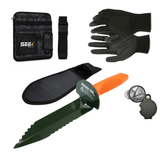 Deluxe Treasure Recovery Kit
 5 Pack Screen Protectors for Minelab Manticore Metal Detectors
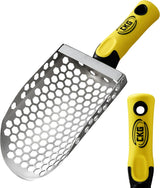 CKG Hand Sand Scoop - Yellow Handle


Leave a comment