
Expert Support
(844) 344 - 4465
(844) 344-4465

For winter metal detecting, wear thermal base layers, an insulated waterproof jacket, waterproof boots with good traction, and warm gloves that still let you work your controls. Bring your metal detector, a waterproof pinpointer, a digging tool for workable ground, headphones, a carry bag, and fully charged batteries kept insulated from the cold.
Winter doesn't have to mean putting your metal detector away until spring. With the right clothing, equipment, and preparation, you can continue searching for coins, jewelry, and relics in cooler weather. The key is staying warm, keeping your equipment protected, and knowing when ground conditions make digging impractical.
The best winter metal detecting gear includes thermal layers, waterproof boots, insulated gloves, a reliable metal detector, a pinpointer, and suitable digging tools. You should also prepare for shorter daylight hours, wet conditions, and reduced battery performance in cold temperatures.
Here's what to wear, what to pack, and how to prepare for a comfortable winter hunt.
Your winter setup should cover three essentials: staying warm, recovering targets efficiently, and protecting your equipment.
| Essential gear | Why you need it |
|---|---|
| Thermal base layers | Help maintain warmth while managing moisture |
| Insulated, waterproof jacket | Protects against cold wind, rain, and snow |
| Waterproof boots | Keep feet dry and improve traction |
| Warm, flexible gloves | Keep hands comfortable while operating controls |
| Metal detector | Finds coins, jewelry, and other metal targets |
| Pinpointer | Helps locate targets inside a hole or soil plug |
| Digging tool | Supports careful target recovery in workable ground |
| Carry bag | Helps transport and organize your equipment |
| Spare batteries or power accessories | Help you prepare for power needs in cold conditions |
You don't need every accessory available. Start with the essentials that match your hunting location, expected weather, and the equipment you already own.
Start with a moisture-wicking base layer that fits comfortably beneath your regular clothing. Metal detecting involves walking, bending, kneeling, and digging, so you want clothing that keeps you warm without restricting movement.
Merino wool and synthetic moisture-wicking fabrics are useful choices. Avoid relying entirely on cotton next to your skin, especially if you expect to sweat or encounter wet weather.
A warm jacket helps protect you from cold wind, while a waterproof outer layer is valuable when rain, melting snow, or damp vegetation is likely.
Dressing in layers makes it easier to adjust your clothing as you warm up while walking. A practical combination includes a base layer, an insulating middle layer, and a weather-resistant outer shell.
Choose clothing with pockets that allow easy access to small accessories without requiring you to put down your detector repeatedly.
Cold feet can make a long detecting session uncomfortable. Choose insulated or warm-lined boots that provide adequate waterproofing and grip for muddy trails, wet grass, and slippery paths.
Consider the terrain before choosing your footwear. Lightweight waterproof boots may be sufficient for a maintained park, while colder, wetter conditions may call for more insulation and ankle support.
Keep an eye out for ice around streams, lakes, and shaded areas. Waterproof footwear does not eliminate the risk of slipping.
Gloves are essential, but overly bulky gloves can make detector controls, small accessories, and digging tools difficult to handle.
Look for gloves that balance warmth, grip, and dexterity. Thin glove liners under insulated gloves can provide flexibility when you need to handle smaller items.
If your hands become cold quickly, carry a spare pair and keep it dry. Avoid removing your gloves for extended periods in freezing conditions.
A warm hat and neck gaiter help protect exposed skin from cold wind. Choose headwear that fits comfortably with your detector's headphones and does not interfere with hearing your surroundings.
If you're hunting near roads, waterways, or other people, maintaining environmental awareness is just as important as staying warm.
The right equipment makes winter hunts easier to manage, particularly when you need to recover targets efficiently and protect your gear from moisture.
Your detector is the foundation of your setup. Choose one suited to your preferred targets and locations, whether you're searching parks, fields, beaches, or other permitted areas.
For winter use, consider practical features such as comfortable handling with gloves, straightforward controls, suitable weather resistance, and battery options that meet your needs.
A waterproof detector can be useful in wet environments, but check the manufacturer's specifications. Waterproof ratings differ between models, and a waterproof search coil does not necessarily mean the entire detector is waterproof.
Explore the metal detectors collection at DetectorWarehouse to compare options from established detecting brands.
A metal detector helps you identify a target's location, but pinpointing the exact item inside a soil plug or hole can take additional time.
A handheld pinpointer narrows down the target location, helping you recover finds with less unnecessary digging. This is especially useful when wearing gloves or working in cold conditions, when you may want to minimize time spent handling wet soil.
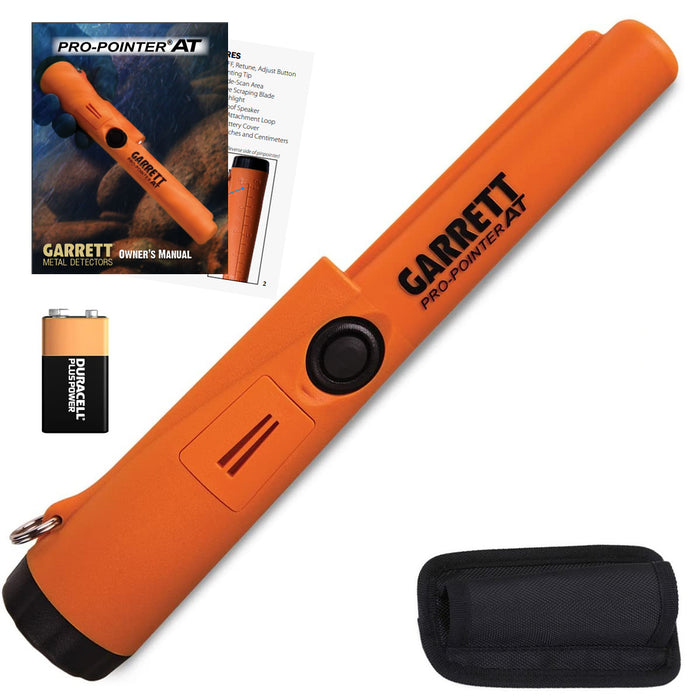
The Garrett ProPointer AT is a waterproof pinpointer with three sensitivity levels. Its handheld design makes it a practical accessory for locating targets after your main detector signals a find.
Check out more options in the DetectorWarehouse pinpointer collection.
A suitable digging tool helps you recover targets carefully while minimizing unnecessary disturbance to the ground.
For parks and lawns, a hand digger can be easier to control than a large shovel. For suitable open fields, a longer digging tool may be more practical. Choose your tool according to the terrain and local rules.

The Garrett Edge Digger is a compact option for controlled target recovery in workable soil. You can also explore the full digging tools collection for hand diggers, shovels, and other recovery equipment.
One important winter rule: don't force a digging tool into frozen-solid ground. It can be difficult to recover targets safely, and forcing the tool may damage the ground or equipment. Choose another location or return when conditions improve.
Headphones can help you hear target tones clearly, especially when wind or background noise makes your detector's speaker harder to hear.
Choose a compatible model that fits comfortably with your winter hat. Wireless headphones offer freedom of movement, while wired models avoid the need to manage a separate wireless headphone battery.
Before heading out, check your headphone battery or cable connections and make sure the volume allows you to hear nearby people and potential hazards.
Browse metal detecting accessories at DetectorWarehouse to explore compatible equipment.
A carry bag makes it easier to transport your detector and accessories between hunting locations. It can also help keep smaller items together instead of leaving them loose in a vehicle or backpack.

This carry bag features two exterior accessory pockets and an adjustable shoulder strap. It offers a convenient way to organize compatible detecting equipment for travel.
Browse more options in the carry bags and pouches collection.
Cold weather requires a little extra attention to batteries, moisture, and temperature changes.
Cold temperatures can temporarily reduce battery performance, meaning your detector or wireless accessories may run for less time than expected.
To prepare:
Never charge a battery outside its permitted temperature range.
Snow, rain, damp gloves, and wet ground can expose equipment to moisture. Before heading out, check the detector's weather-resistance rating and make sure connectors, battery compartments, and other vulnerable areas are properly protected.
After your hunt, wipe away moisture and dirt using the manufacturer's recommended cleaning method. Let equipment dry thoroughly before storing it.
Do not assume every detector can be submerged or exposed to heavy rain simply because its search coil is waterproof.
Moving a cold detector into a warm indoor environment can cause condensation to form on or inside equipment.
Allow the detector to warm gradually in accordance with the manufacturer's guidance. If moisture develops, dry the equipment before storage or use, and avoid switching on equipment that may have water inside sensitive components.
Even with the right gear, weather and ground conditions can determine whether a hunt is worthwhile.
If the ground is frozen solid, there's no need to force a hunt. Use the opportunity to maintain your equipment, research new permitted locations, or plan your next trip.
Use this checklist before leaving home.
Your setup can be simple. Focus on the items that protect your comfort and safety first, then add accessories that make target recovery more efficient.
Yes. Metal detecting is possible during winter when weather, ground conditions, and local regulations allow. Wet soil and cold temperatures may be manageable with suitable clothing and equipment, but frozen-solid ground or severe weather can make a hunt impractical or unsafe.
Wear moisture-wicking base layers, an insulating middle layer, a weather-resistant jacket, waterproof boots, warm gloves, and a hat. Adjust your layers to the temperature and activity level, and keep spare gloves dry.
Cold can affect battery performance and make equipment less comfortable to operate. The extent depends on the detector, battery type, and temperature. Follow the manufacturer's operating and storage recommendations rather than assuming every detector behaves the same way.
Yes, depending on the detector, conditions, and location. Snow can make it harder to identify and recover targets, while frozen ground may prevent digging. Choose safe areas and avoid forcing tools into frozen soil.
Begin with a fully charged battery, carry compatible spares when needed, and keep spare batteries insulated within their recommended temperature range. Follow the manufacturer's guidance for battery storage, use, and charging.
A pinpointer can make target recovery more efficient by helping you locate an item inside a soil plug or hole. The Garrett ProPointer AT is one option; compare its features with other models in the DetectorWarehouse pinpointer collection.
Both work. Wireless headphones give you freedom of movement, while wired models avoid the need to manage a separate headphone battery, which helps when cold temperatures shorten battery run time. Pick a model that is compatible with your detector and fits comfortably under a winter hat.
A hand digger is easier to control in parks and lawns, while a longer digging tool suits open fields where digging is permitted. Only dig in workable ground. If the soil is frozen solid, choose another location or wait for conditions to improve. Browse the digging tools collection to compare options.
Avoid leaving your detector or batteries in a freezing vehicle for extended periods. When you bring cold equipment indoors, let it warm up gradually to limit condensation, and dry it fully before storing it.
A successful winter detecting trip starts before you switch on your detector. Dress in layers, wear footwear suited to the terrain, protect your batteries from the cold, and pack the tools you need to recover targets responsibly.
Most importantly, don't let the desire to find something push you into unsafe weather or frozen ground. Choose suitable conditions, respect local rules, and make comfort and safety part of your preparation.
Ready to prepare your setup? Explore metal detectors, pinpointers, digging tools, and carry bags and pouches at DetectorWarehouse.
{"one"=>"Select 2 or 3 items to compare", "other"=>"{{ count }} of 3 items selected"}


Leave a comment