
Expert Support
(844) 344 - 4465
(844) 344-4465

Metal detecting is way more fun when you know before putting gear in the field. Detectorists often concentrate on the detector only, but bring along some accessories and your whole experience will turn into completely something new. Any digging tool you have not taken or dead batteries or less target recovery equipment can spoil your good hunt into frustration. Beaches, parks, old fields or wooded relics sites: do a little preparation before you head out — to enjoy the hunt in comfort and to recover your targets faster. The ground, weather and quality of the signal also influenced the seasonal conditions, thus relying on trusted equipment became crucial. This guide outlines five must-have items that every detectorist should have with them this season to increase efficiency, safeguard potential finds, and make for a smoother hunt from start to finish.
Metal detecting is more than simply swinging a detector across the dirt. The general equipment around your detector hugely determines how comfortable and successful you get. A well-equipped operator can recover targets more quickly, be organized and spend less time searching for tools than scrambling for missing pieces of gear. After all, a lot of detectorists with experience know that the right accessories make hunts much easier and this is why they usually build an effective setup over time.
As such, good preparation prevents tiredness from sitting too long also. Additionally protecting any precious finds from an accidental dent. Reliability, weight, and easy accessibility in your gear will make any short detecting trip more efficient.
Detectorists face another challenge with the seasons changing. In summer dry soil may become rock solid and incredibly difficult to dig through while wet seasons will leave saturated mud requiring water resistant gear. After storms hit, the sands shift and new targets get revealed in the exposed sand. You know that cold weathe can reduce the battery performance and if your protection is not proper, it could sometimes make long hunts uncomfortable. Having weather proof accessories, spare batteries, gloves and proper footwear can make a world of difference when the hunt goes unpredictable
A lot of newbies think a great deal about purchasing a detector and forget to prepare the equipment needed for an undisturbed hunt! A blunder of the first order is showing up without a shovel which makes for recovery of challenging targets. Some go for the budget pouches, cheap pouches that rip apart or hurt after a usage period. A few detectorists also forget extra batteries, and have to call it a day early when they run out of juice. An organized detecting set up will save time, increase comfort and allow new detectorists to enjoy the hobby significantly more.
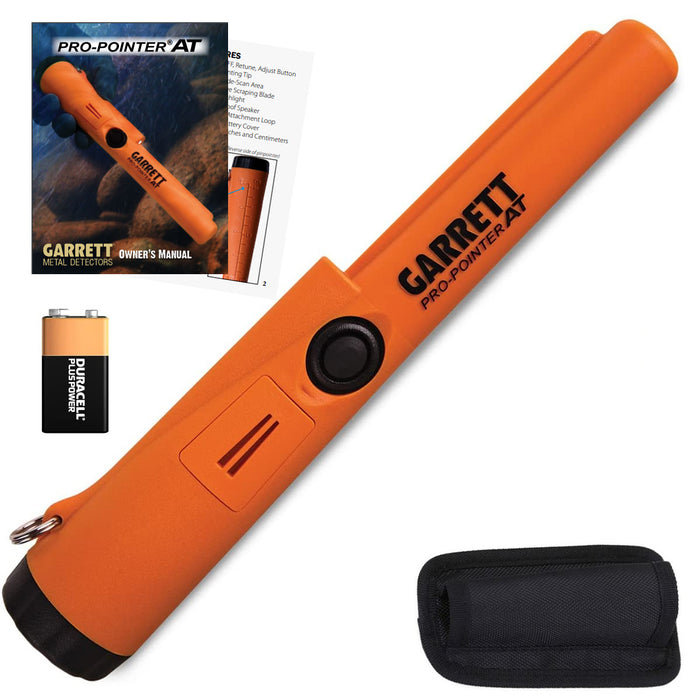
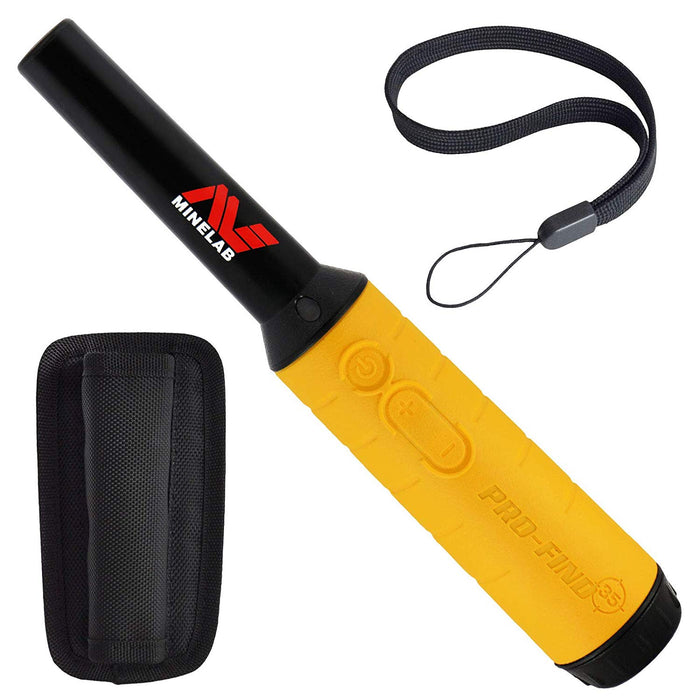
A good pinpointer is one of the best accessories you can have as a detectorist. Once you have found a target with your detector, the pinpointer tells you where in the hole or soil plug it is located. This not only saves time but prevents needless digging and damage to the coins, jewelry and relics. Most modern pinpointers are small, portable in size range and simple to use when out hunting.
Waterproof pinpointers are best suited for detectorists who hunt beaches, rivers, muddy fields or wet conditions. While they typically cost less, and will work fine for dry parks, fields, and urban detecting locations. It mostly comes down to your detecting environment as to which of the two you should choose.
| Type | Best For | Cost |
|---|---|---|
| Waterproof | Beaches, rivers, muddy fields, wet environments | Higher |
| Non-Waterproof | Dry parks, fields, urban detecting locations | Lower |
Pinpointers are great when the locations are full of trash, iron and tightly packed soil. They also help when searching deep holes through which coins or jewelry are hiding in loose dirt. A pinpointer with a built-in LED light makes recovery effortless in dim conditions during a night hunt. A good pinpointer saves you from a lot of frustration and allows a detectorist to cover more area in every single hunting trip.
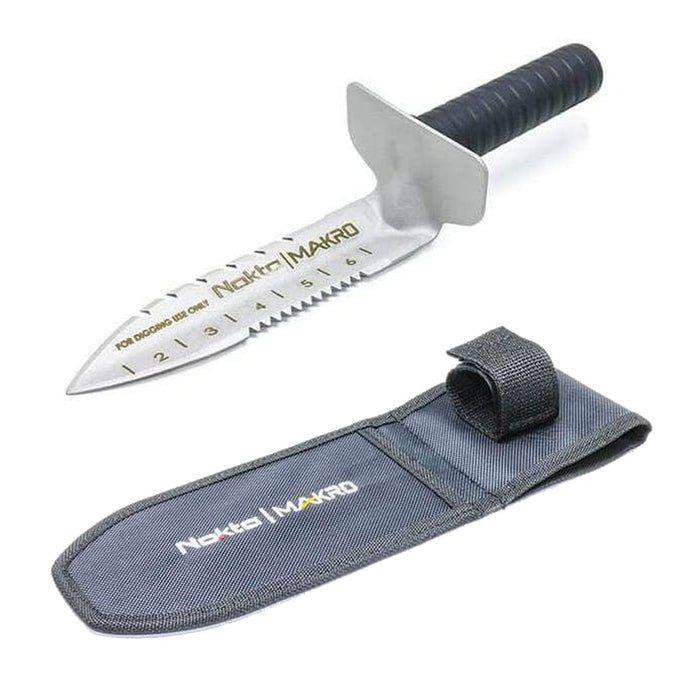
You will also need a good digging tool in order to get the targets out of the ground, but this comes with experience. Tools that are weak or poorly designed come quickly bent, break, or labor in compact soil. Since detectorists are often searching areas with roots, gravel, clay, and hard ground, durability is more important than many beginners initially realize. A reliable digger can aid in recovering your target faster and making less mess when digging plugs, especially for use in public parks.
Hand diggers are ideal for parks, small lawns and other tighter locations where recovery is a top priority. You do better digging anyway with shovels in farm fields, woods, and broader stretches of beach where targets are deeper. Most seasoned detectorists tote both choices depending on the area.
| Tool | Best For | Advantage |
|---|---|---|
| Hand Digger | Parks, lawns, public areas | Lightweight, minimal ground disturbance |
| Shovel | Fields, woods, beaches | More power for deeper targets |
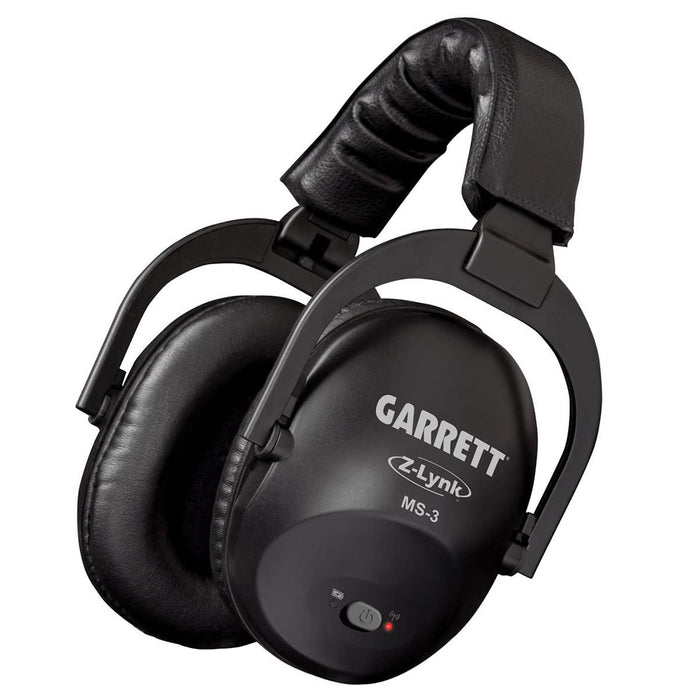
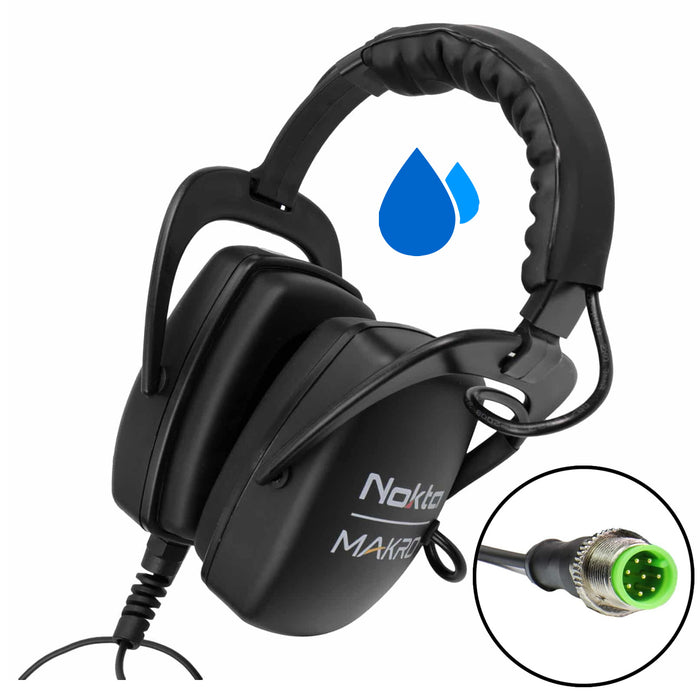
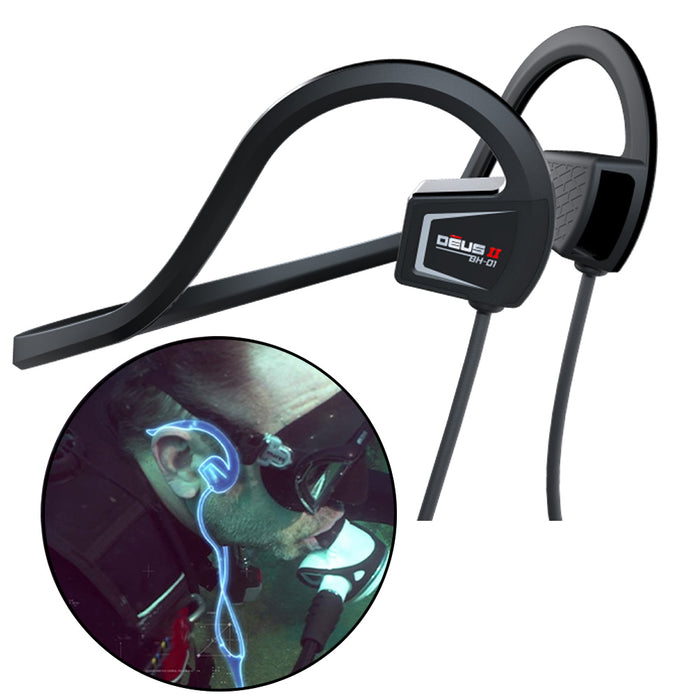
Among the most interesting improvements to metal detecting equipment is high-quality headphones that allow detectorists to hear target signals better, especially soft tones that can get washed out in noisy situations. Noise from wind, traffic, crowds and waves often disrupt audio in the field. Detectorists can better tell the difference between valuable targets and junk with clear sound.

This is why wired headphones continue to be huge because they are stable and you do not have to charge batteries. Alternatively, wireless headphones afford you more motion independence because there is nothing to get tangled in clothes or equipment. Choosing the best is a matter of personal preference, hunting style and budget.
| Type | Pros | Cons |
|---|---|---|
| Wired | Stable audio, no charging needed, affordable | Cable can snag on gear |
| Wireless | Full freedom of movement, comfortable | Requires charging, higher cost |
With time, you can definitely remember certain tones (not common). With proper hearing equipment, those sounds are clearer and easier to understand — quiet signals from deep coins or tiny jewelry become dramatically more distinct when the noise is filtered out.
Sound carries information that is valuable to us from metal detectors. The right pair of head phones makes those sounds clearer and more user friendly. However, weak signals from deep coins or small jewelry tend to appear better when outside noise is filtered out. This ensures uniformity in volume, so a signal is loud and clear before we even think of going after the target.
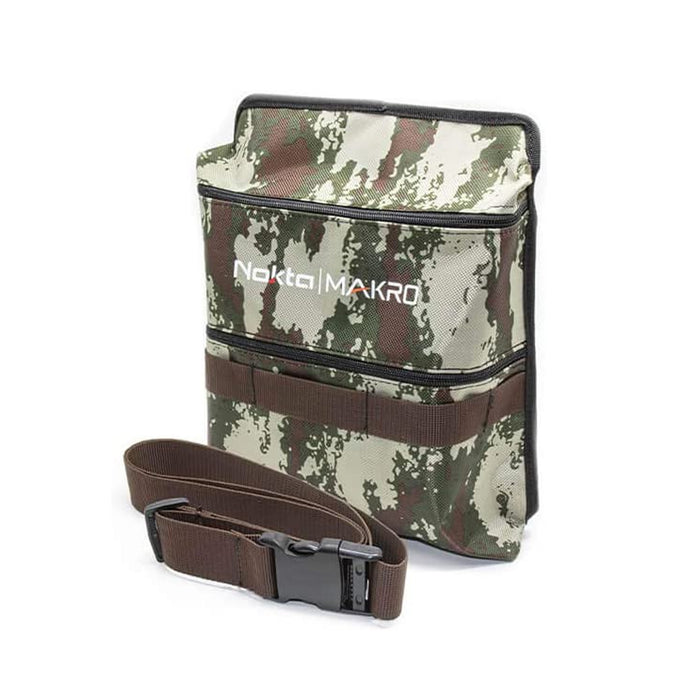
A finds pouch is a useful accessory for staying organized while protecting valuable discoveries when detectorists are out hunting all day. Separate compartments help detectorists keep trash separate from valuable finds so they do not crush fragile objects. Having a trash bag in itself is as important because responsible detectorists are always taking junk targets out of the ground, when possible.
Responsibly, detectorists realize they need to leave sites cleaner than the way they found them. Each of these rusted nails, pull tabs, bottle caps or scrap metal pieces removed from the soil makes that ground more hospitable for future hunts. It Calms Wildlife By Picking up Trash When trash is removed, wildlife, children and well-loved public places are no longer put at risk from sharp or dangerous objects. Respectful recovery practices tend to lead property owners and park managers to be more permissive.
Nothing is worse than running out of power when hunting for long hours on a productive search. Long trips with metal detectors, pinpointers, headphones and GPS devices are interesting but all of them need a reliable energy source. To ensure that your equipment remains functional without interruption, carry spare batteries or portable charging solutions.

The widespread use of rechargeable battery packs reduces long-term costs and provides reliable power for numerous hunts. While many detectorists also carry spare AA batteries, as a number of detectors and accessories are still based upon that. For example, you have to generate a portable 4 usb car charger, which can charge the wireless headphones and phone of any data USB at a distance making it a must pick up equipment for your long gateway or during driving because it goes with any model.
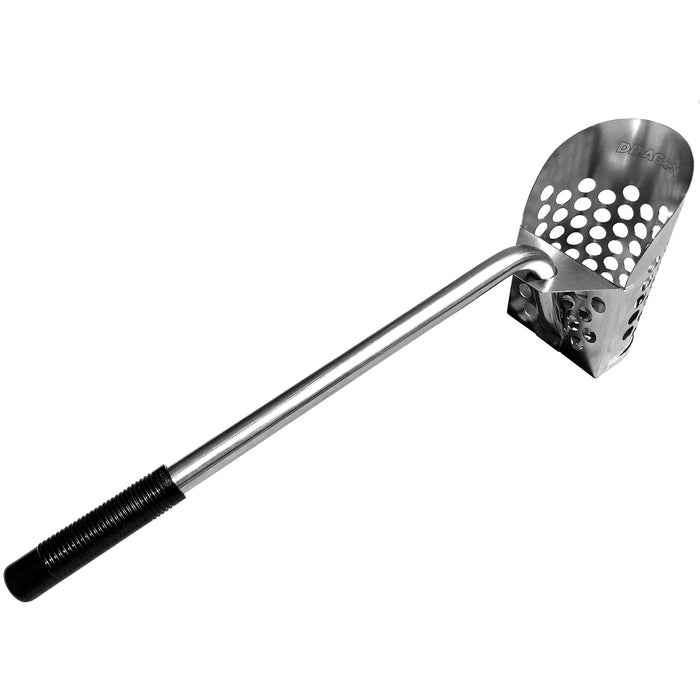
While not always essential, some accessories can increase comfort, organization and efficiency when hunting. Easily captured loose soil for detectorists whilst protecting grass on public land Apps for GPS and Maps help hunters keep track of where they have been productive and how to retrace the path in any future searches. Although you have time when recovering on a beach, sand scoops speed up the process by quickly breaking down that wet sand allowing targets to pop up easily. LED headlamps are good for early morning, evening and wooded hunts when conditions start to get dark.
First on the upgrade from the detectorists is speed and comfort. Generally, a dependable pinpointer provides the most significant gain as it will recover almost all targets. Another huge improvement is great quality headphones that enhance signals and keep background noise low. Ergonomically designed digging tools and a finds pouch help combat fatigue on long hunts.
| Trip Type | What to Carry |
|---|---|
| Short Hunt | Detector, pinpointer, digging tool, headphones, finds pouch |
| Full-Day Trip | All of the above + spare batteries, water, snacks, protective clothing, first aid, GPS |
| Environment | Priority Gear |
|---|---|
| Beach | Waterproof pinpointer, sand scoop, drainage pouch, sun protection |
| Park / Lawn | Hand digger, recovery mat, lightweight pouch |
| Relic / Field | Heavy-duty shovel, gloves, knee pads, GPS, large pouch |
| Remote / Woods | Backup batteries, first aid kit, waterproof backpack |
A pinpointer is considered one of the most important accessories because it helps locate targets quickly and improves recovery accuracy.
Yes. A pinpointer helps beginners recover targets faster, reduce unnecessary digging, and avoid damaging valuable finds.
Carry a detector, pinpointer, digging tool, finds pouch, spare batteries, water, snacks, gloves, and protective gear.
Wireless headphones provide better movement and comfort, while wired headphones offer stable audio without battery concerns.
Detectorists use finds pouches with separate compartments to protect coins, relics, and jewelry from scratches or damage.
Beach detecting requires waterproof accessories, sand scoops, lightweight finds pouches, sun protection, and extra batteries.
Successful metal detecting depends on more than simply owning a good detector. The accessories and tools you carry directly affect comfort, recovery speed, organization, and overall performance in the field. Reliable equipment helps detectorists adapt to changing weather, difficult terrain, and long hunting sessions without unnecessary frustration. From pinpointers and digging tools to headphones and protective gear, every item plays a valuable role during a search. Building a dependable detecting kit takes time, but each upgrade improves the experience noticeably. Responsible preparation also protects hunting locations and helps preserve the reputation of the hobby. With the right essentials packed and ready, every detecting trip becomes smoother, more productive, and far more enjoyable.
{"one"=>"Select 2 or 3 items to compare", "other"=>"{{ count }} of 3 items selected"}








Leave a comment