
Expert Support
(844) 344 - 4465
(844) 344-4465

Looking for a metal detector to take underwater? Not all waterproof metal detector are made for full immersion. Some models have waterproof search coils only, others have sealed control boxes so you can search lakes, rivers and even underwater.
Updated November 5, 2026. Product specifications and listed prices checked against Detector Warehouse product information.
The best metal detector to buy for diving will depend on where you will be hunting, how deep you need to go, and what you want to find. Salt water beaches, fresh water lakes, underwater diving all have different needs.
This guide reviews the best fully submersible metal detectors including waterproof depth ratings, frequency of operation and key features. Whether you're looking for lost jewelry, coins, or underwater relics, you'll find a choice that meets your detecting requirements.
For most serious underwater and beach hunters the Minelab Manticore is the best fully submersible metal detector. Waterproof to 16 feet (5 meters), it runs Multi-IQ+ simultaneous multi-frequency and has Beach modes built for wet sand, surf and seawater.
On a budget? The Nokta Simplex ULTRA is rated to 16 feet as well and is a fraction of the price. The Nokta Legend packages give you multi-frequency at a mid-range price, but they are rated to 10 feet (3 meters), so they are better for wading and shallow snorkeling than deeper water.
For diving beyond 16 feet, the XP DEUS II is another option to consider. Its 11-inch coil and remote are rated to 20 meters (66 feet) when configured with the red waterproof plug, and the underwater antenna system must be used when the coil is submerged. The included WS6-ST headphones are weatherproof, not designed for underwater submersion.
| Metal Detector | Best For | Max Submersion | Frequency | Stock Coil | Underwater Audio | Weight | Price* |
|---|---|---|---|---|---|---|---|
| Minelab Manticore | Advanced users, saltwater | 16 ft (5 m) | Multi-IQ+; 5, 10, 15, 20, 40 kHz | 11-inch round DD | Included ML-105 headphones are not waterproof | 2.9 lbs | $1,499 |
| Nokta Legend PRO PACK | Versatile land and shallow-water hunting | 10 ft (3 m) | Simultaneous multi-frequency; 4, 10, 15, 20, 40 kHz | 12 × 9-inch DD + 6-inch DD | Included Bluetooth headphones are not waterproof | 3.0 lbs | $659 |
| Nokta Legend with Accupoint | Intermediate users; bundle accessories | 10 ft (3 m) | Simultaneous multi-frequency; 4, 10, 15, 20, 40 kHz | 12 × 9-inch DD | Included Bluetooth headphones are not waterproof | 3.0 lbs | $599 |
| Nokta Simplex ULTRA | Beginners, budget | 16 ft (5 m) | 15 kHz VLF | 11-inch DD | No underwater-rated headphones listed in the bundle | 2.6 lbs | $299 |
| XP DEUS II (11-inch FMF + MI-6) | Deeper snorkeling and diving within training limits | 66 ft (20 m)* | FMF; approx. 4–45 kHz; 49 single frequencies | 11-inch round FMF | WS6-ST is weatherproof only; use XP underwater antenna and suitable underwater headphones | Not stated for this complete bundle | $1,596.30 |
*DEUS II depth rating requires the red waterproof plug and the manufacturer’s underwater antenna setup. The MI-6 pinpointer is rated to 6 m (approximately 20 ft), which is shallower than the detector. Prices can change; confirm the current product page before ordering.
*Prices checked November 5, 2026 and can change. The product page always shows the current price and what is in the box. Depth ratings are the manufacturer’s maximum submersion depth, not a recommended diving depth. Want to compare more models? Use our metal detector comparison chart.
It is a metal detector that is designed to be submersible in water. Sealed control housings, connectors and other components on fully submersible models allow the entire detector to be submerged to its rated depth. Detectors with only waterproof search coils are not.
These detectors are useful for searching:
Most modern underwater metal detectors also feature vibration feedback, adjustable sensitivity, discrimination and waterproof search coils.
If you're looking for more options, explore our complete collection of underwater metal detectors.
Not every metal detector advertised as waterproof can be used underwater. Understanding the difference helps prevent accidental damage.
The coil can operate underwater, but the control box must remain above the waterline. The Garrett ACE 300 is an example of this type of detector.
Some detectors can handle rain, splashes, or wet conditions but are not designed for full submersion.
Both the search coil and control housing are sealed for underwater operation up to the manufacturer's specified depth.
Look for an IP68 rating and a clearly stated maximum submersion depth. An IP68 rating alone should not be treated as permission to submerge every device to the same depth. For example, the Manticore and Simplex ULTRA are both IP68 and rated to 16 feet, while the IP68 Nokta Legend is rated to 10 feet.

Minelab Manticore Multi-Frequency High Power Waterproof Metal Detector
Best For: Advanced users, saltwater beaches, and underwater hunting.
The Minelab Manticore Metal Detector utilizes advanced target identification with powerful multi-frequency technology. It caters for detectorists who are looking for detailed target information and versatility in different hunting environments.
Its Multi-IQ+ technology operates across multiple frequencies simultaneously. This helps the detector handle different target types and challenging ground conditions.
The Manticore is unique in the way it identifies targets and sophisticated in its detection controls. The 2D ID Map provides information about ferrous and conductive target characteristics, allowing users to make better decisions before they dig.
The Beach modes are designed for wet sand, surf and seawater, so it’s handy for difficult coastal conditions. Handgrip vibration also provides an alternative modality to receive target feedback when underwater audio is difficult to hear.
The included ML-105 wireless headphones are not waterproof. You'll need compatible Minelab waterproof headphones for underwater detecting.
The Minelab Manticore is a good choice for experienced detectorists who want advanced target identification and versatility on the beach. It’s a great all-rounder, with its combination of Multi-IQ+ technology, some specific Beach modes, and it can go 16 feet underwater. Weighing it up against XP? Check out our Manticore vs Deus II comparison.

Nokta Legend "Next Generation" PRO PACK with 12"x9" and 6" Coils
Best For: Serious hobbyists who want a versatile detector for land and underwater hunting.
The Nokta Legend PRO PACK is designed for detectorists who want advanced features without limiting themselves to one type of terrain.
It supports simultaneous multi-frequency operation and multiple single-frequency options. This gives users flexibility when searching for coins, jewelry, relics, and other targets.
The Nokta Legend PRO PACK is a versatile choice for those who often switch between land, beach and shallow water.
With its simultaneous multi-frequency technology, users can adapt to varied ground conditions and target types. The included search coils also provide flexibility. The larger coil will cover more ground while the smaller coil can be useful in tighter or more cluttered areas.
Vibration feedback is particularly useful underwater where audio is not always practical. The PRO PACK is also ideal for the more experienced user who wants more control over discrimination, sensitivity and recovery speed. See how it compares in our Nokta Legend vs Minelab Equinox 900 guide.
The Legend's 10-foot rating covers wading, surf work and shallow snorkeling. The included Bluetooth headphones are not waterproof, so plan on vibration or waterproof headphones when the detector goes under.
The Nokta Legend PRO PACK is a good option for detectorists who want one machine for different hunting environments. With its multi-frequency technology, waterproof construction and extra coil it is a practical package for regular use in shallow water and on land.

Nokta Legend "Next Generation" with Accupoint Pinpointer and Wireless Headphones
Best For: Intermediate users who want a complete detecting setup.
The Nokta Legend with Accupoint combines the capabilities of the Legend with additional accessories for target recovery.
It offers the same core multi-frequency detecting platform while including a Nokta Accupoint waterproof pinpointer in the package.
Bundle availability can change. Confirm that this package is in stock before treating it as a current buying recommendation.
The Nokta Legend with Accupoint is a great choice for detectorists who want more than just a basic metal detector.
The Legend has multi-frequency detection and adjustable settings for different environments. The Accupoint pinpointer helps you find a target’s location after excavation, making it easier to recover. This is especially useful when searching in wet sand or underwater locations where identifying a small object in loose material can take a long time. New to pinpointers? Start with our guide to using a pinpointer.
The package is also suitable for users who already understand basic metal detecting and want to move toward more advanced features.
This package is a useful combination if you want the multi-frequency capabilities of the Nokta Legend with an extra pinpointer. It’s especially good for intermediate users who want a more complete detecting setup.

XP DEUS II FMF Metal Detector with 11-inch Coil and MI-6 Pinpointer
Best For: Detectorists who need a multi-frequency detector for beaches and underwater searches beyond the 16-foot range of the other general-purpose models in this guide, subject to safe diving limits.
The XP DEUS II fills the depth gap between detectors rated to 16 feet and specialist dive models with much higher ratings. Its FMF platform can operate across multiple frequencies simultaneously, while 49 selectable single frequencies give experienced users additional control. The Diving program and dedicated Beach settings make it relevant to users who split their time between shore hunting and underwater searches.
The 11-inch coil offers a balance of ground coverage and maneuverability. The product bundle also includes the MI-6 pinpointer, but its 6-meter depth rating is lower than the detector’s. Do not assume every accessory can go to the same depth.
For the full 20-meter rating, use the red waterproof plug and XP’s underwater antenna system. The included WS6-ST headphones are weatherproof only. Use compatible underwater headphones or another manufacturer-approved underwater audio setup; do not submerge the WS6-ST.

Nokta Simplex ULTRA Next Generation with Free Accupoint Lite Pinpointer
Best For: Beginners and budget-conscious underwater detectorists.
The Nokta Simplex ULTRA is a beginner-friendly metal detector with features that make it suitable for both land and underwater detecting.
Unlike detectors with waterproof coils only, the Simplex ULTRA has a fully submersible control unit. Its straightforward controls also make it easier for new users to get started.
The Simplex ULTRA is a great way to break into underwater metal detecting without spending a lot of money on a top-of-the-line machine.
The operating frequency of 15 kHz and adjustable ground balance and discrimination settings provide useful control over different detecting conditions.
Its Beach mode makes it ideal for coastal searches and the vibration feature gives you feedback on targets underwater. The built-in flashlight and backlit display are also handy for detecting in low light conditions.
It doesn’t have the simultaneous multi-frequency technology of the Nokta Legend or Minelab Manticore. But its simplicity of operation and 16-foot waterproof rating make it a good entry-level choice. You can find more options at this price point in our collection of beginner metal detectors.
If you are a beginner looking for a real submersible metal detector, the Nokta Simplex ULTRA is a smart choice as it has the necessary underwater features, the same 16-foot rating as the Manticore, and lacks the complexity of higher-end machines.
As for picking an underwater metal detector, it’s not just about looking at the waterproof rating. Think about how you’ll be using it and what features will make detecting easier.
The manufacturer specified depth rating is the depth to which the entire detector can be submerged.
For example, you can use a detector rated at 16 feet, within that specified limit. In this guide, the Manticore and Simplex ULTRA are rated at 16 feet and the Nokta Legend at 10 feet. If you are going to search while snorkeling or diving, check the rating before you buy.
As a broad equipment comparison, models rated to 10 feet may suit wading and surf work, 16-foot models provide more room for shallow snorkeling, and the XP DEUS II is rated to 66 feet when correctly configured. These ratings describe equipment limits, not safe personal diving limits; your training, conditions and complete dive equipment determine what is appropriate.
Never assume that a waterproof search coil means the entire detector is waterproof.
Operating frequency influences the detector’s response to different metal targets and to ground conditions.
Single-frequency detectors can be good for general hunting. Multi-frequency models work on many frequencies and can be more flexible when searching for coins, jewelry and other targets in varying ground conditions.
In challenging beach situations, detectors that have specialized beach modes and suitable ground balance controls are advisable.
Saltwater and wet sand can be difficult for metal detectors to read due to mineral content and electrical conductivity.
Look for detectors that have a dedicated beach or salt water mode, an adjustable ground balance and noise-cancellation settings that are appropriate. A multi-frequency detector can be useful, but multi-frequency technology alone is not a guaranty of stable performance in all saltwater environments.
Underwater detecting can make it difficult to hear traditional audio signals. The detector can vibrate against your hand to alert you when it has found a target. This is especially useful if you are using waterproof headphones or in low visibility conditions.
Discrimination allows you to reject unwanted metal targets, and target identification tells you what type of metal the detected object is likely to be.
These features can help reduce unnecessary digging, especially in areas containing lots of iron and other metal debris. Our guide to detecting in trashy areas covers this in more detail.
However, target IDs are estimates rather than guarantees. Ground conditions, target depth, and object shape can affect readings.
Underwater detecting is more work than regular land hunting. Water resistance makes it harder to move equipment. A light detector with an adjustable or retractable shaft can make long detection sessions more comfortable. When choosing a model, consider the grip, armrest and overall balance.
Coil size also affects control: a larger coil covers more ground but can create more drag in moving water, while a smaller coil may be easier to maneuver around rocks, weeds and clutter. Visibility, current and the ability to keep a steady sweep matter as much as the detector’s dry weight.
The extended battery life is handy for long days at the beach, the lake or other remote locations. Check the manufacturer's estimated run time and charging method. Always charge and maintain your detector according to its instructions.
Never connect a detector to a charger while it is wet or submerged. Dry the charging port and connectors first.
For additional equipment, explore our collection of metal detecting accessories.
Yes, but not every metal detector performs equally well in saltwater.
Ground signals generated by ocean water and wet beach sand can be strong and can interfere with the detection of targets . This can make it more difficult to identify valuable objects without unnecessary noise .
For saltwater hunting, look for a detector with:
The Minelab Manticore and Nokta Legend are useful options because they offer multiple detection settings for different ground conditions. If you are new to these controls, our sensitivity, discrimination and ground balance setup guide walks through each one.
Rinse your detector with fresh water, following the manufacturer's cleaning instructions. Check connectors, seals, and accessories before your next detecting session.
You can also explore our complete range of beach metal detectors and sand scoops for recovering targets in the surf.
Yes. Some fully submersible metal detectors are designed for underwater exploration and can be used while diving within their rated depth limits.
A detector's maximum waterproof depth is not a recommended diving depth. Always follow safe diving practices and stay within your training, equipment, and environmental limits.
Before diving with a metal detector, consider:
For example, the Minelab Manticore can be submerged up to 16 feet, but its included ML-105 headphones are not waterproof. Compatible waterproof headphones are required for underwater audio.
For searches beyond 16 feet, the XP DEUS II is rated to 66 feet when configured with its red waterproof plug and underwater antenna system. The Fisher CZ-21 is a specialist option with a 250-foot rating; check current availability before choosing it.
Underwater metal detecting can help you recover objects lost in swimming areas, beaches, rivers, and lakes.
Common finds include:
Your results depend on the location, detecting conditions, equipment, and search technique. Always check local laws and restrictions before recovering historical objects or searching protected areas. Our guide to metal detecting laws and ethics is a good place to start.
The best underwater metal detector depends on your experience, budget, and intended hunting environment. Here is a simple way to narrow down your options:
Straightforward controls, lightweight design, and a 16-foot submersion rating make it a practical starting point.
Shop Simplex ULTRAMulti-IQ+, Beach modes for surf and seawater, and detailed target identification offer greater control.
Shop ManticoreSimultaneous multi-frequency with two search coils and a spare battery for long days out.
Shop PRO PACKA capable multi-frequency detector with a waterproof pinpointer and headphones in one box.
Shop Legend BundleA 66-foot rating with the required red plug and underwater antenna system; the included WS6-ST headphones are weatherproof only.
Shop XP DEUS IIBefore making your decision, compare the included accessories, waterproof depth, warranty, and intended use. You can browse our complete selection of metal detectors to explore more options, or spread the cost with 0% financing options.
The Minelab Manticore is a strong all-round choice for advanced beach and underwater detecting to 16 feet. The Nokta Simplex ULTRA is a more affordable 16-foot option for beginners. For a deeper general-purpose option, the XP DEUS II is rated to 66 feet when used with its red waterproof plug and underwater antenna system; its included WS6-ST headphones are not for submersion.
Depth depends on the model and the complete setup. The Manticore and Simplex ULTRA are rated to 16 feet (5 meters), the Nokta Legend to 10 feet (3 meters), and the XP DEUS II coil and remote to 66 feet (20 meters) when correctly configured with the red waterproof plug and underwater antenna. The MI-6 pinpointer included with the DEUS II bundle is rated to 6 meters (about 20 feet). A detector rating is not a recommended dive depth.
Yes. The Nokta Legend Next Generation is IP68 rated and fully submersible up to 10 feet (3 meters). That covers wading, surf hunting and shallow snorkeling. For deeper water, choose a detector rated to 16 feet or more.
Yes, provided the detector is designed for the conditions and has a fully waterproof control housing if you intend to submerge it. Dedicated beach and saltwater modes can help manage mineralization and electrical interference.
No. Some models have waterproof search coils but non-waterproof control boxes. Always check whether the complete detector is rated for submersion.
It depends on the detector. Some models provide vibration feedback, while others support compatible waterproof headphones. Standard wireless headphones, including the ones bundled with the Manticore and Nokta Legend, are not waterproof.
Multi-frequency detectors can offer greater flexibility across different targets and ground conditions. They can be particularly useful on challenging beaches, but performance also depends on the detector's beach modes, ground balance, and overall design.
Yes. Gold rings, chains, and other jewelry are common underwater detecting targets. A detector's sensitivity, operating frequency, search coil, and ground conditions all affect its ability to identify small gold objects.
Yes, if it is a waterproof model. The Nokta Accupoint pinpointer included with the Legend bundle is IP68 rated to 10 feet. Check the depth rating of any pinpointer before taking it under, since it may differ from your detector's rating.
Yes. Follow the manufacturer's cleaning instructions and rinse the detector with fresh water after saltwater or beach use. Keep charging ports and connectors dry, and inspect the waterproof seals regularly.
Neither technology is automatically best for every underwater search. Pulse induction (PI) detectors are often chosen for saltwater and mineralized environments because they can handle challenging ground conditions, but they generally provide less target identification and discrimination. VLF detectors can offer more detailed target IDs and discrimination, making them versatile for mixed land, beach and shallow-water use. Choose based on the water conditions, target types and the specific detector’s waterproof rating.
Ordinary wireless radio signals do not travel reliably through water. Use the detector maker’s approved underwater antenna or audio system and headphones specifically designed for submersion. The XP DEUS II bundle’s WS6-ST headphones are weatherproof, not underwater headphones; the Minelab Manticore ML-105 and Nokta Legend Bluetooth headphones are also not waterproof.
The XP DEUS II coil and remote are rated to 20 meters (66 feet) when correctly configured with the red waterproof plug. XP’s underwater antenna system is required when the coil is submerged. The included WS6-ST headphones are weatherproof only, and the MI-6 pinpointer is rated to 6 meters (about 20 feet). Follow safe diving practices and do not treat the detector’s rating as a personal dive limit.
The best submersible metal detector is one that matches your hunting environment, experience, and budget.
The Minelab Manticore offers advanced multi-frequency technology, detailed target identification and a 16-foot rating for experienced detectorists. The Nokta Legend PRO PACK provides flexibility for land and shallow water, while the Legend with Accupoint is an accessory bundle based on the same detector platform. Beginners can start with the Nokta Simplex ULTRA. For deeper underwater searches, the XP DEUS II offers a 66-foot rating when its required underwater configuration is used.
Before buying, compare the waterproof depth, detection technology, accessories, and features that matter most to your intended use.
At Detector Warehouse, you can explore a range of underwater and beach metal detectors to find equipment suited to your next detecting adventure. Choose the right detector, learn its settings, and get ready to explore what lies beneath the surface.
{"one"=>"Select 2 or 3 items to compare", "other"=>"{{ count }} of 3 items selected"}
Black Friday FREE gifts
Buy any Minelab Manticore and these are added to your cart free.
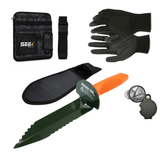 Deluxe Treasure Recovery Kit
 5 Pack Screen Protectors for Minelab Manticore Metal Detectors
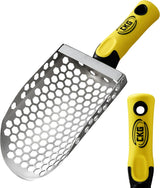 CKG Hand Sand Scoop - Yellow Handle


Leave a comment